STANLEY RIDGE LOOKOUT
Location : Stanley, Idaho – Sawtooth Mountains
Project Webpage: www.sawtoothridgeretreat.com
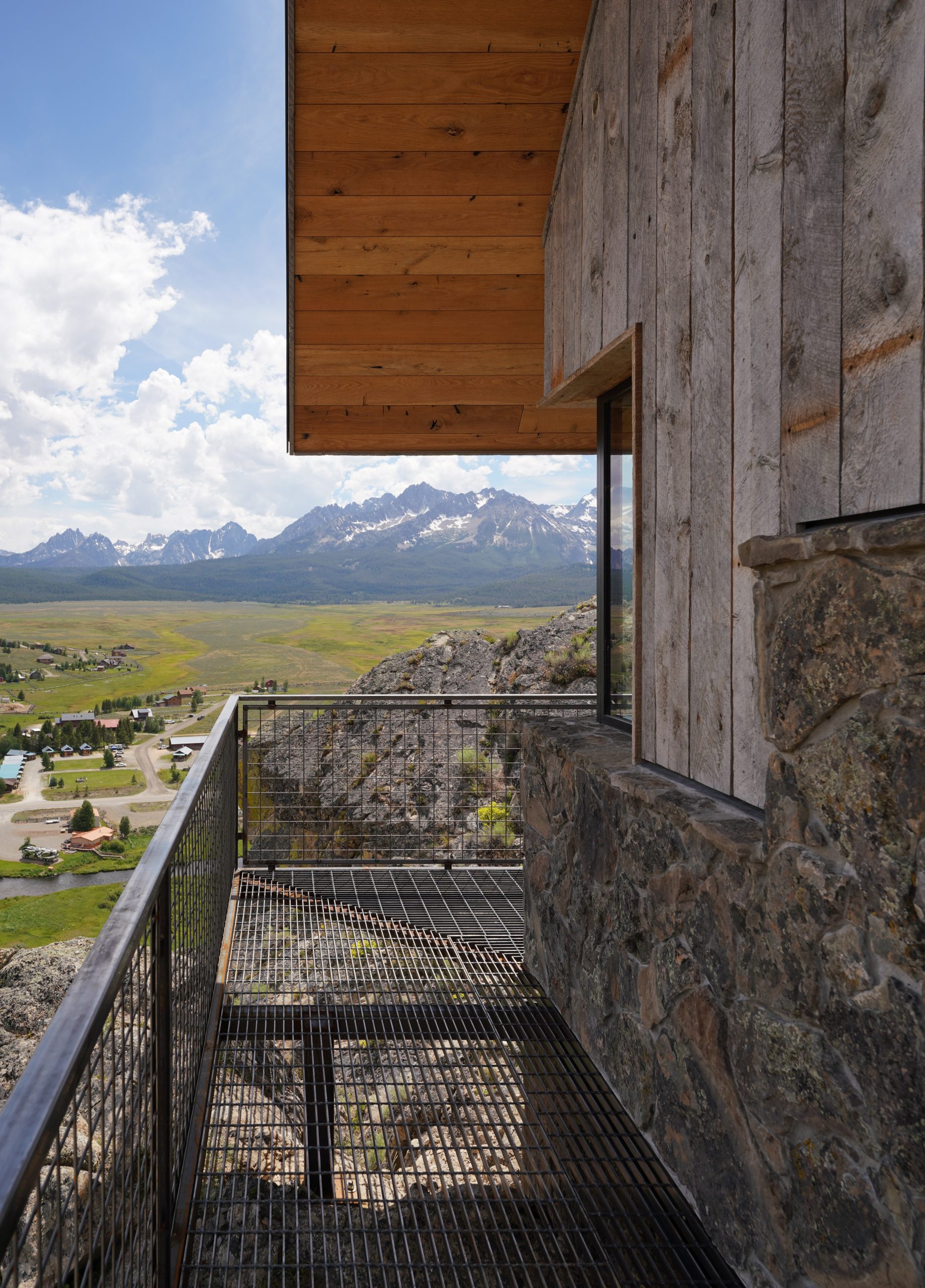
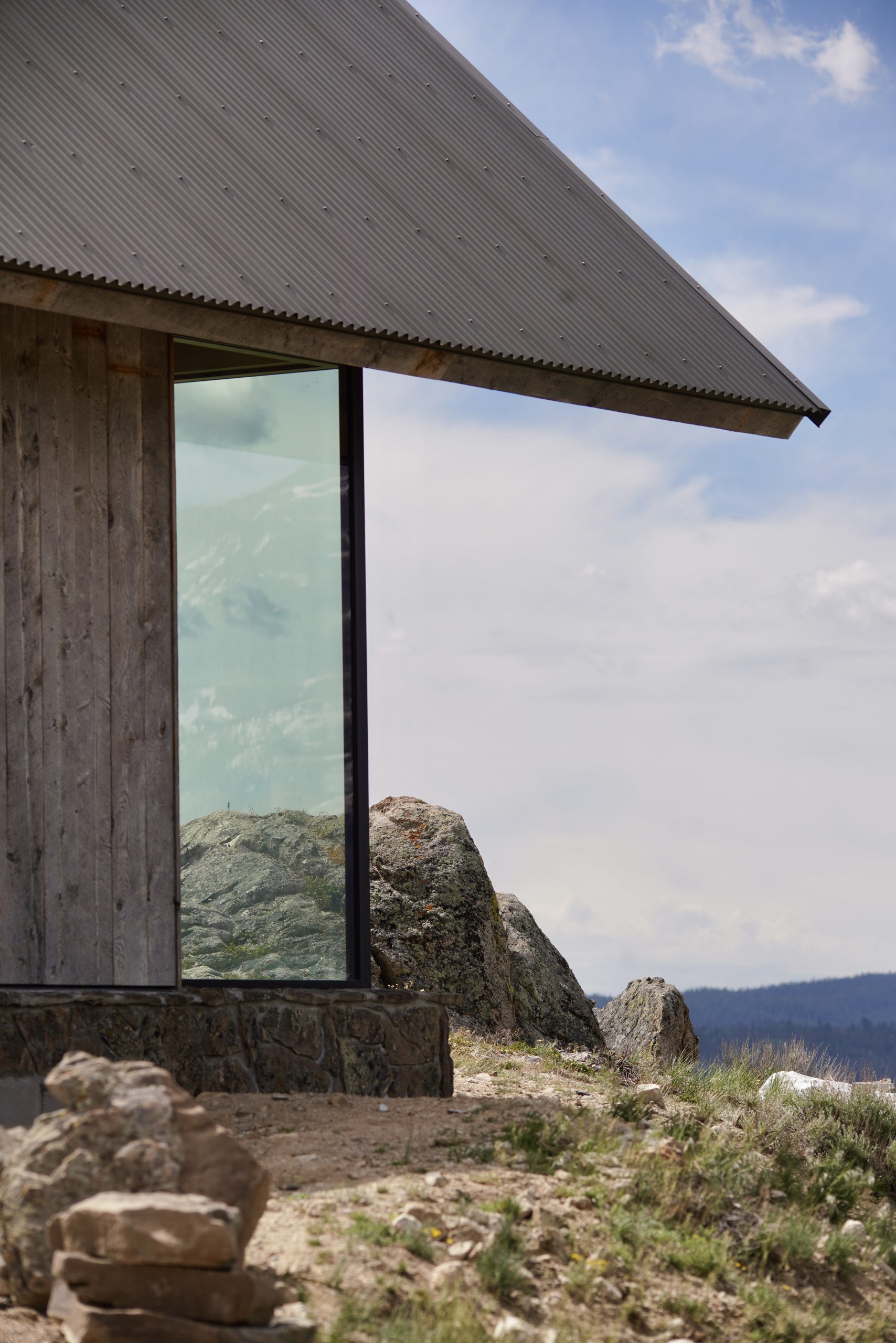
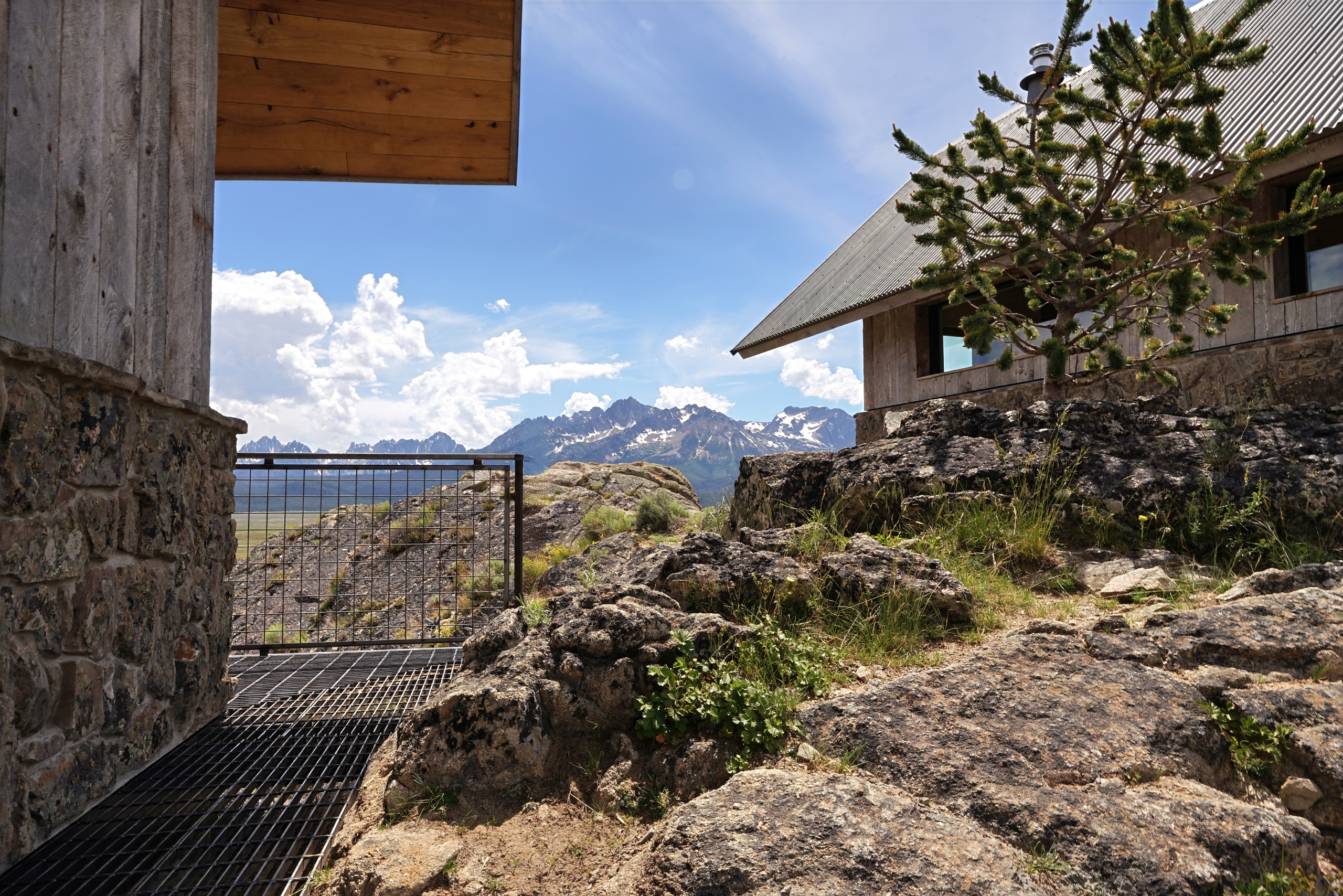
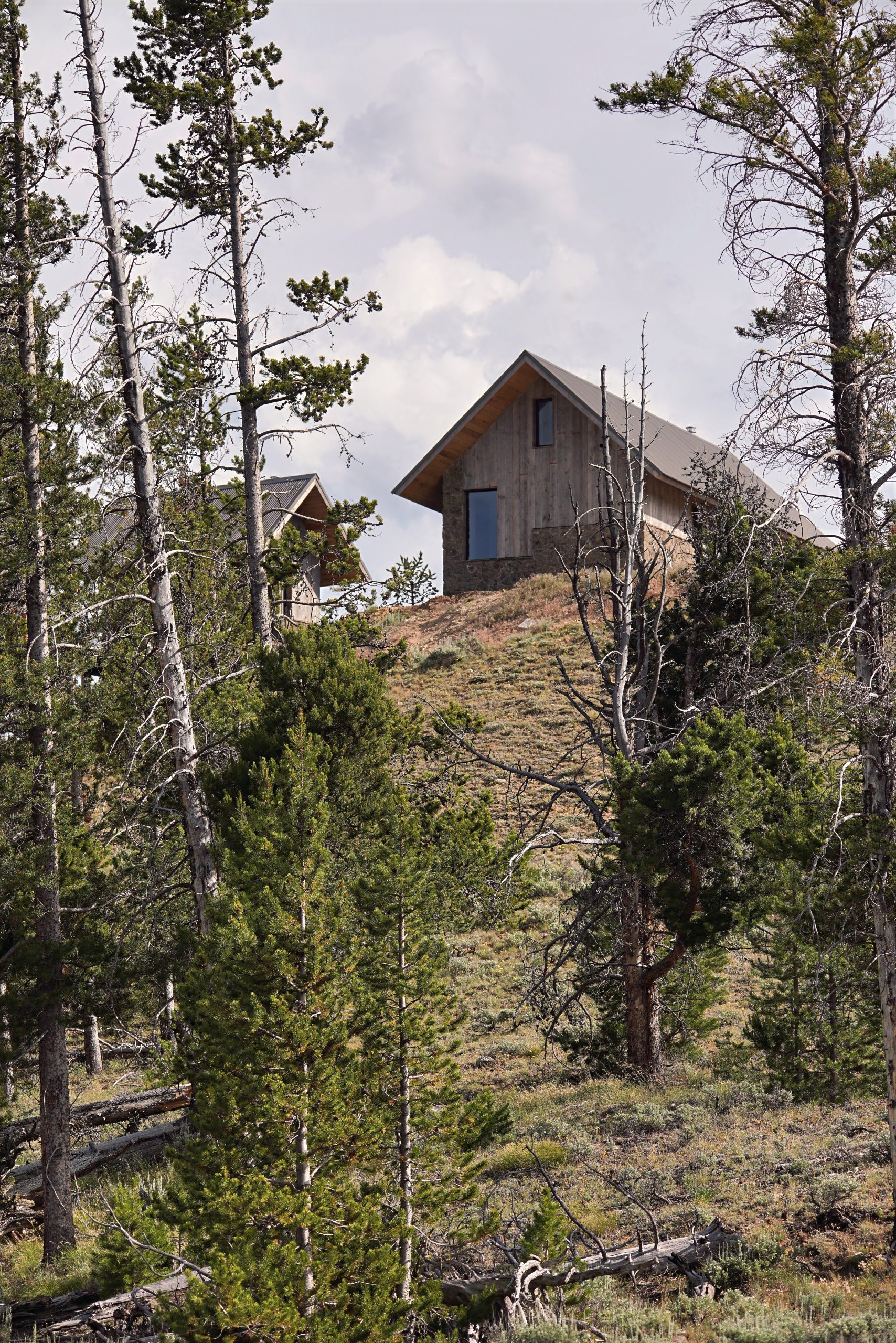
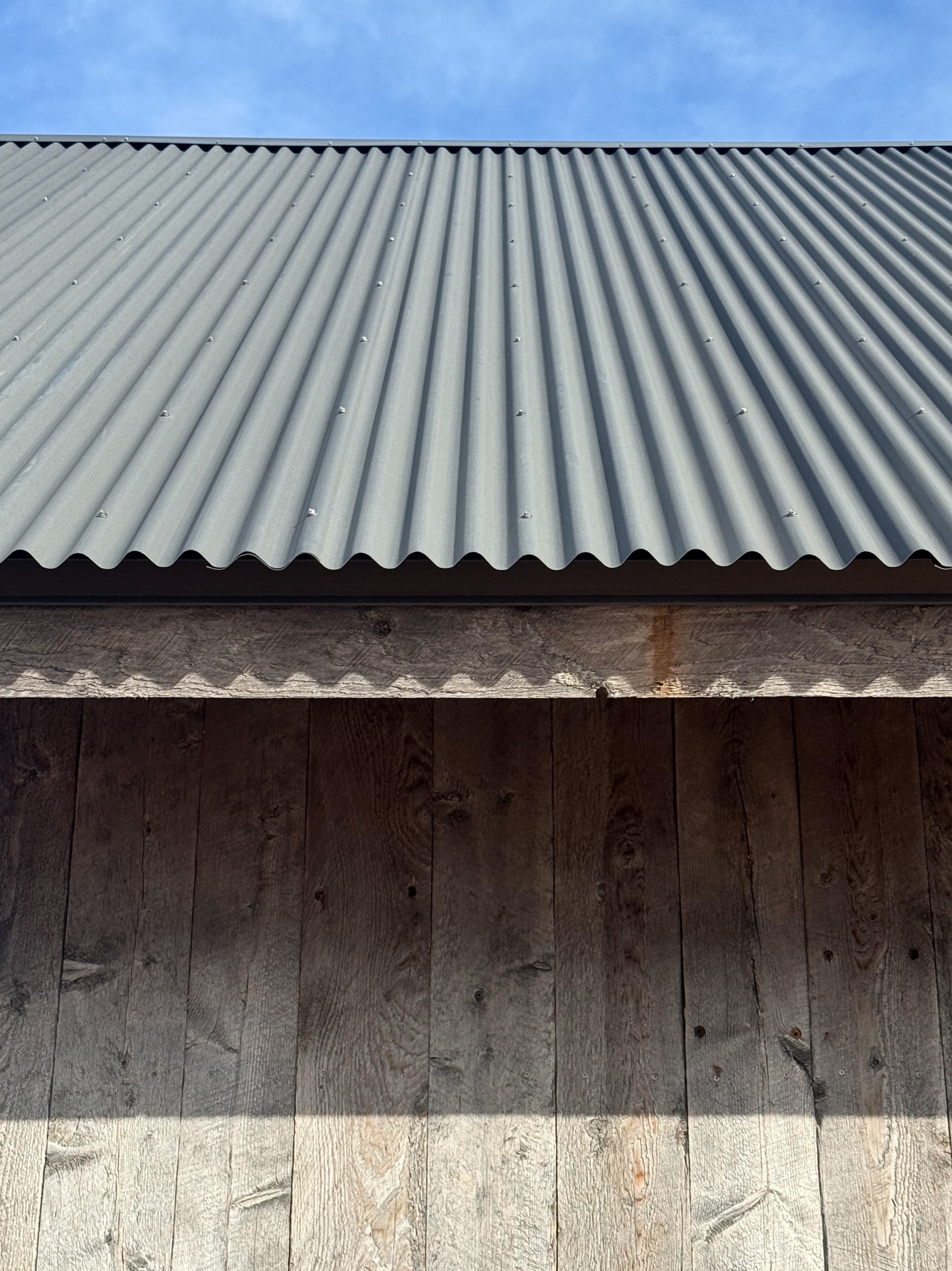
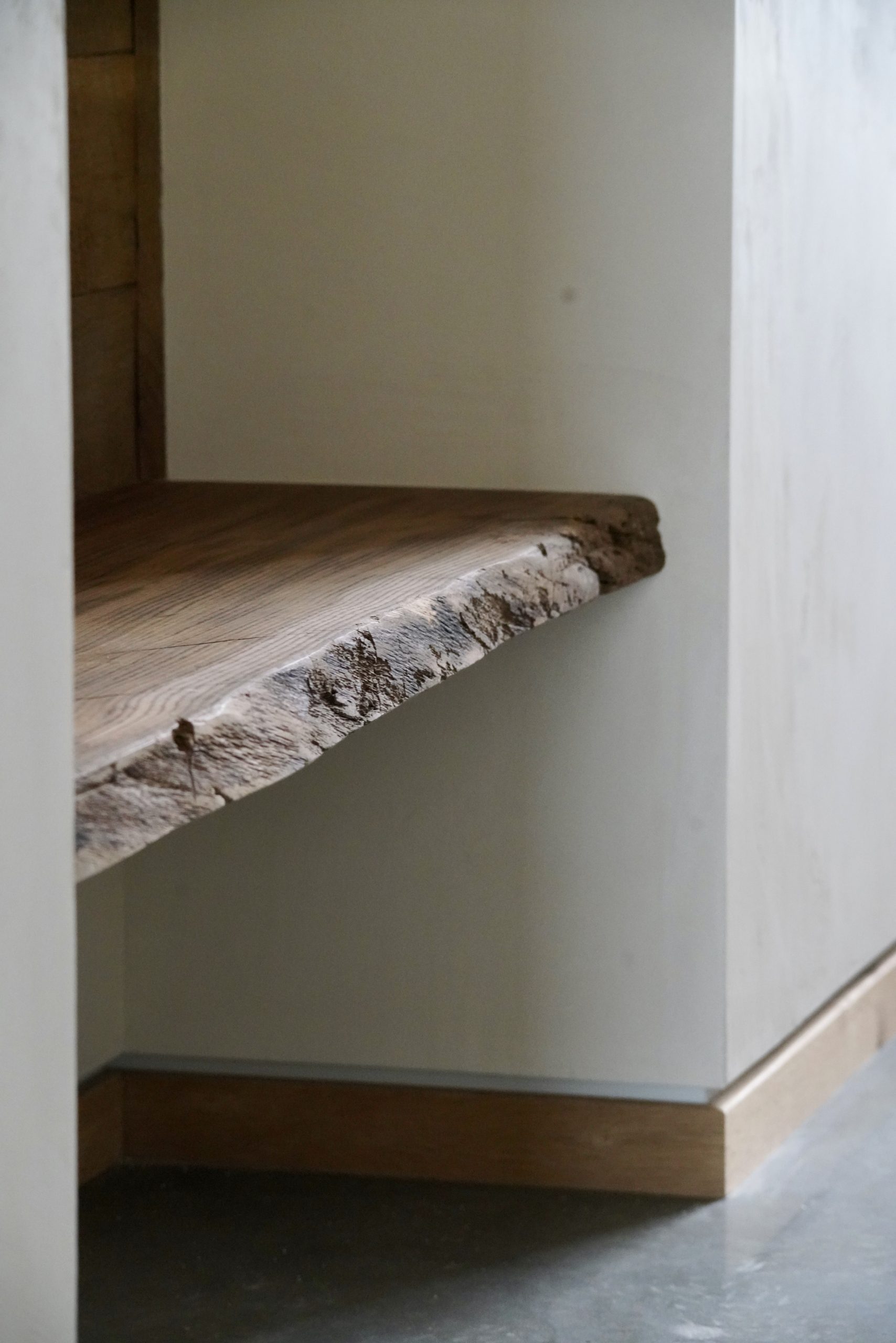
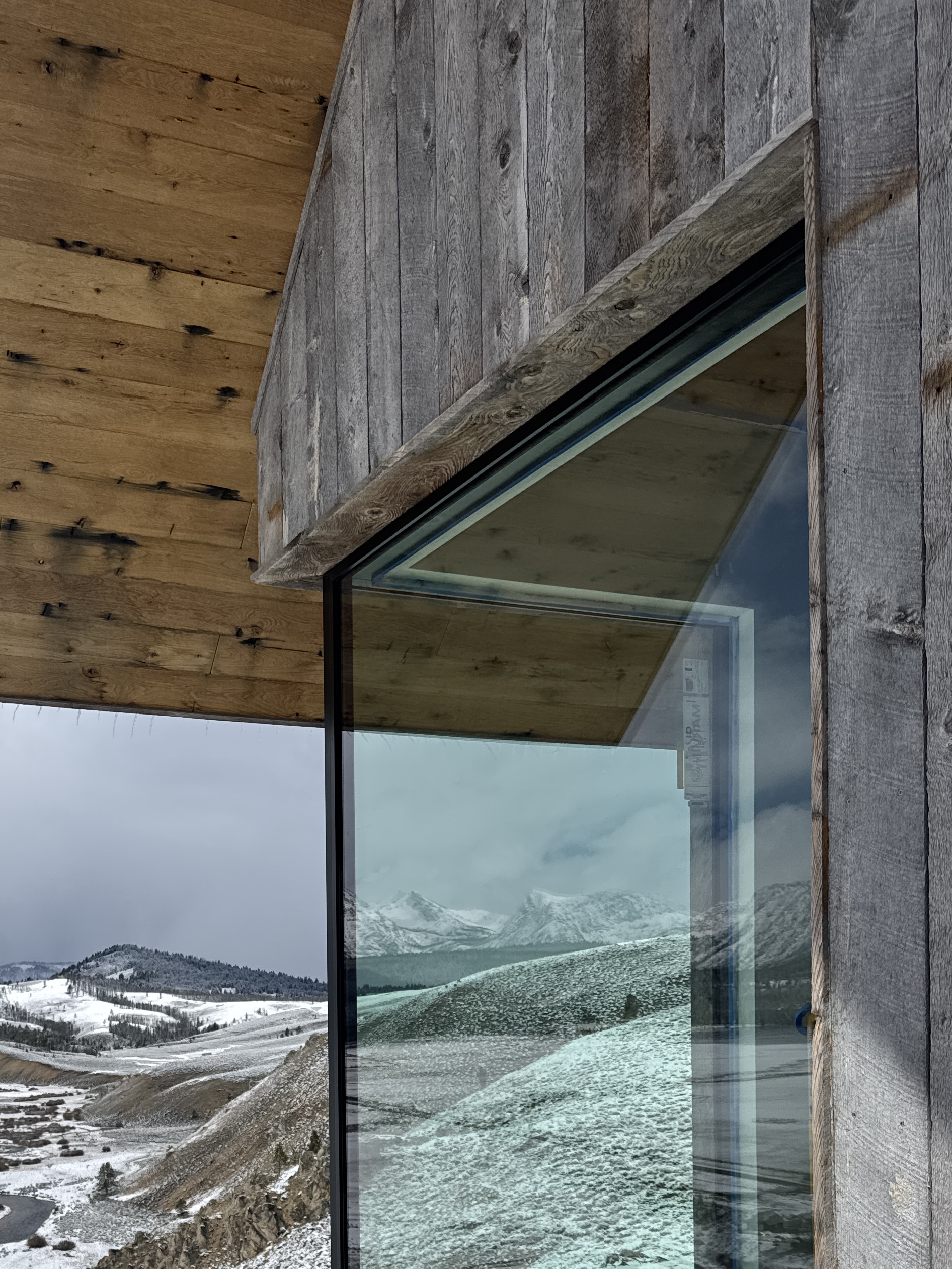
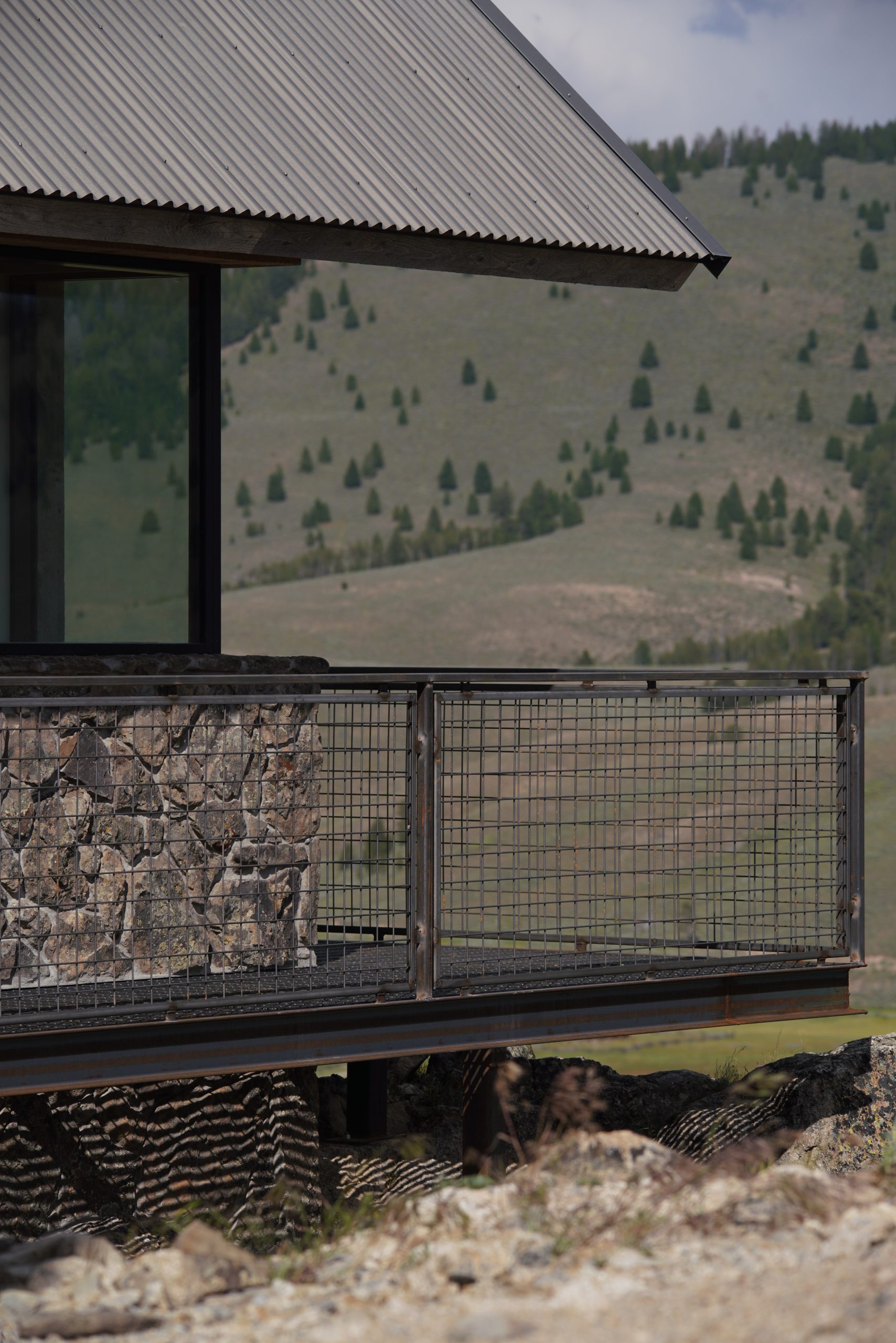
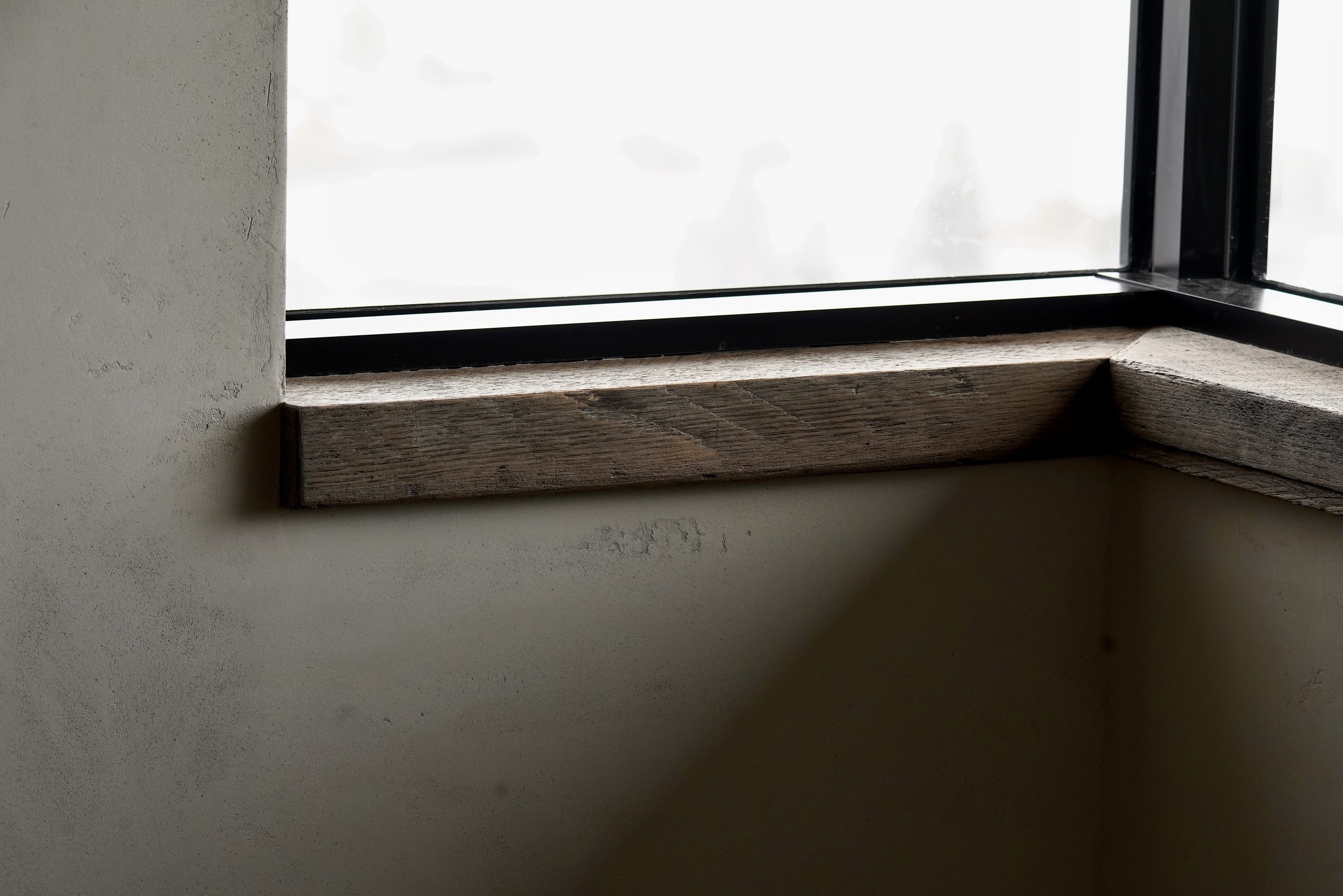
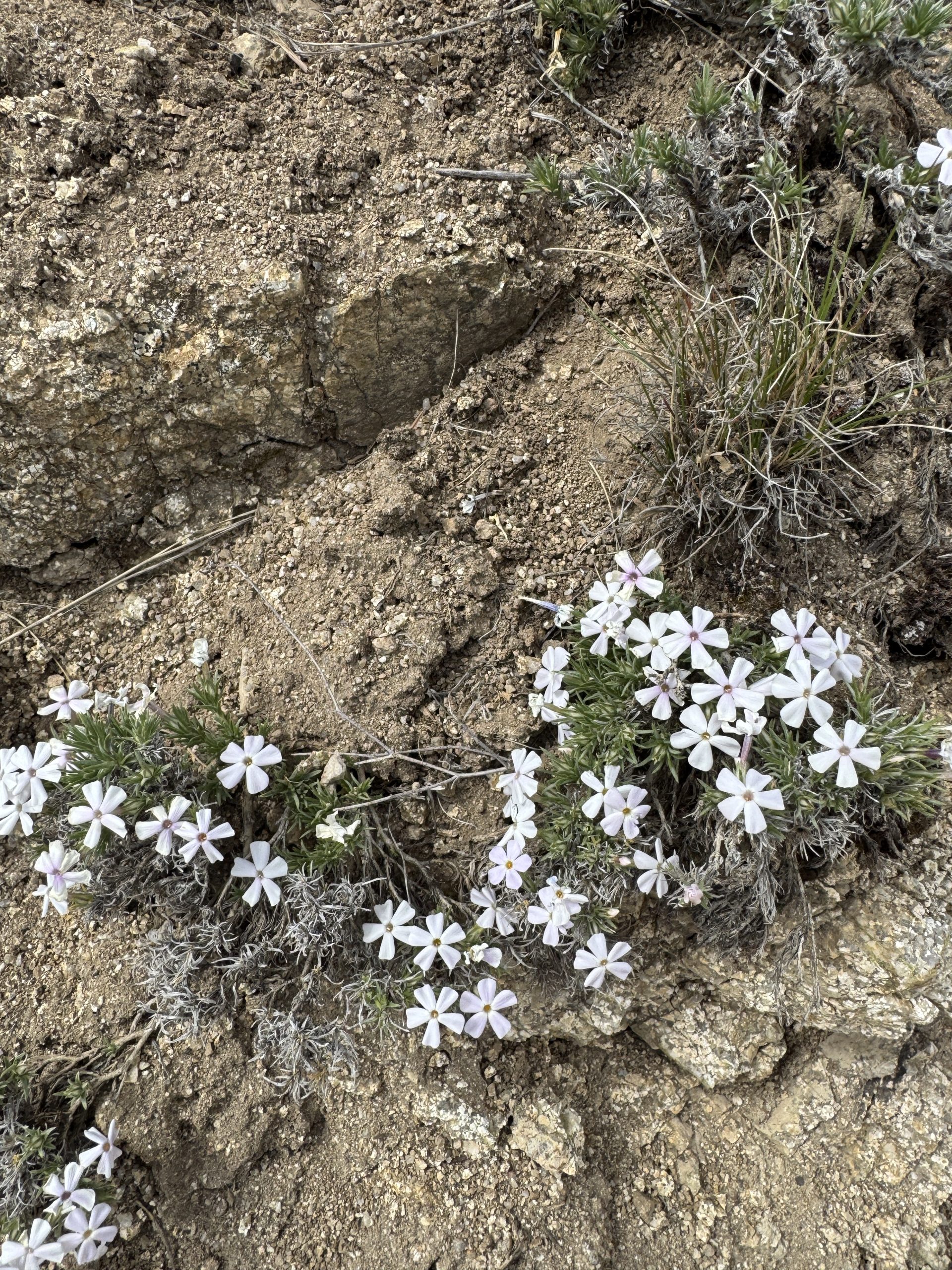
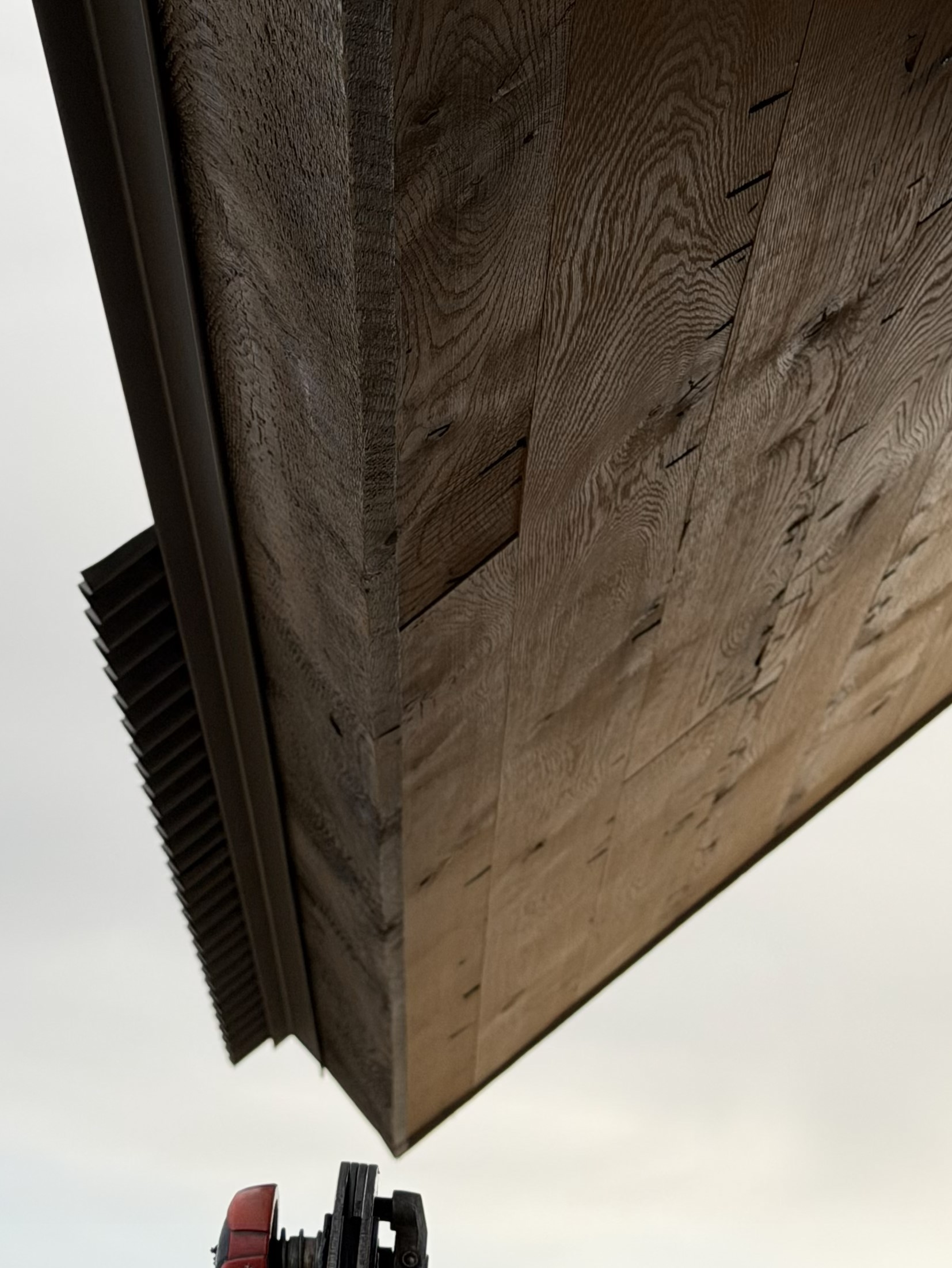
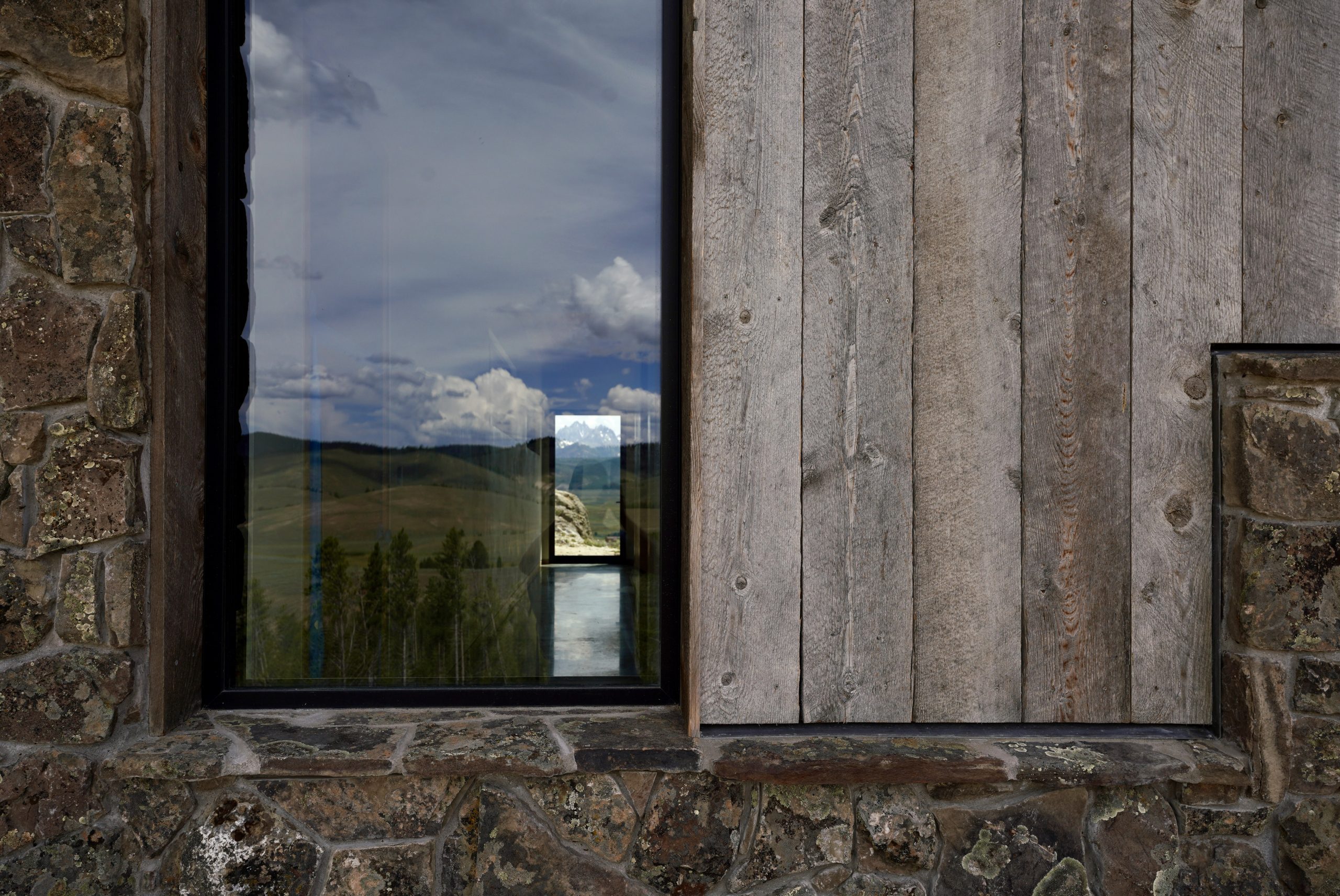
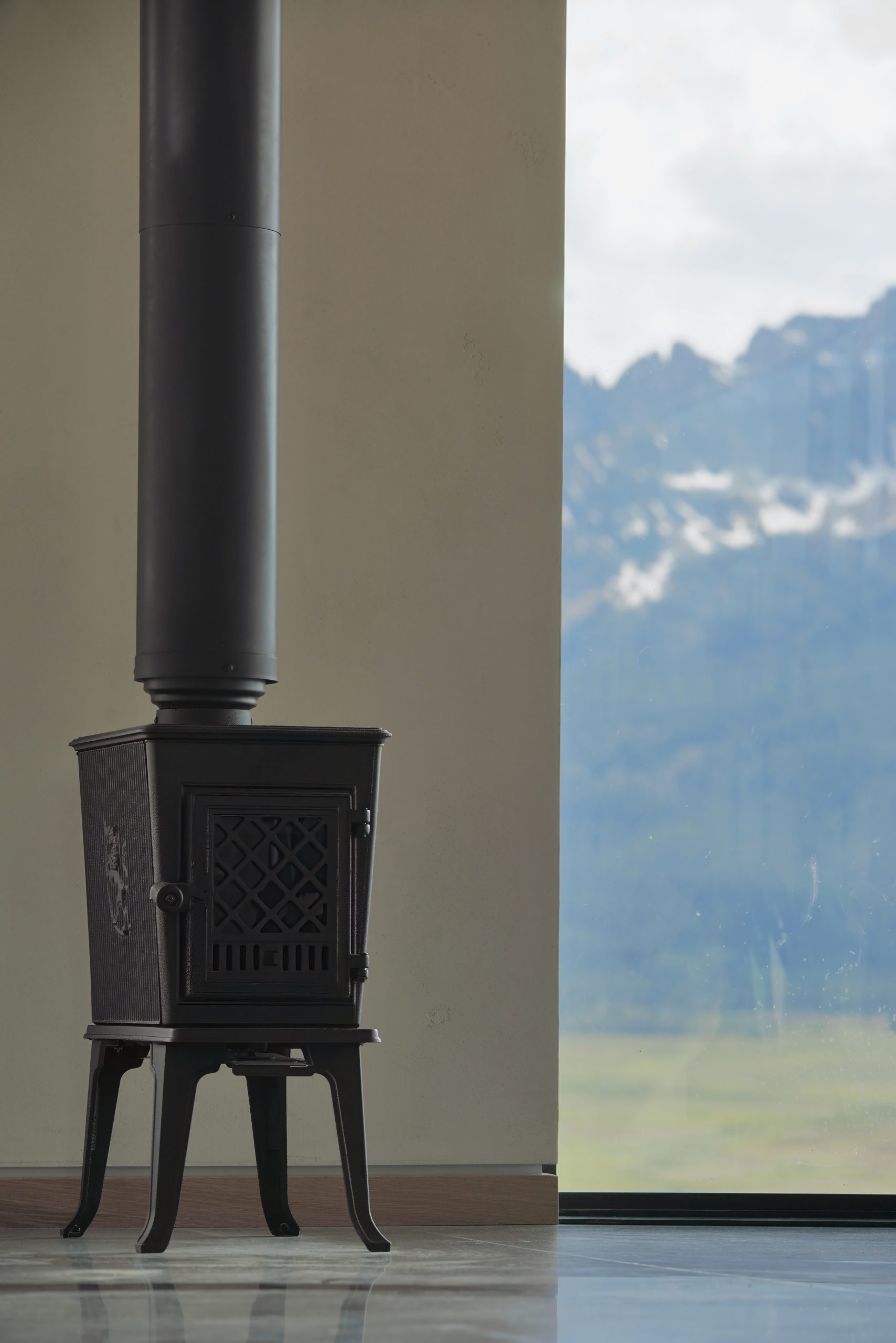
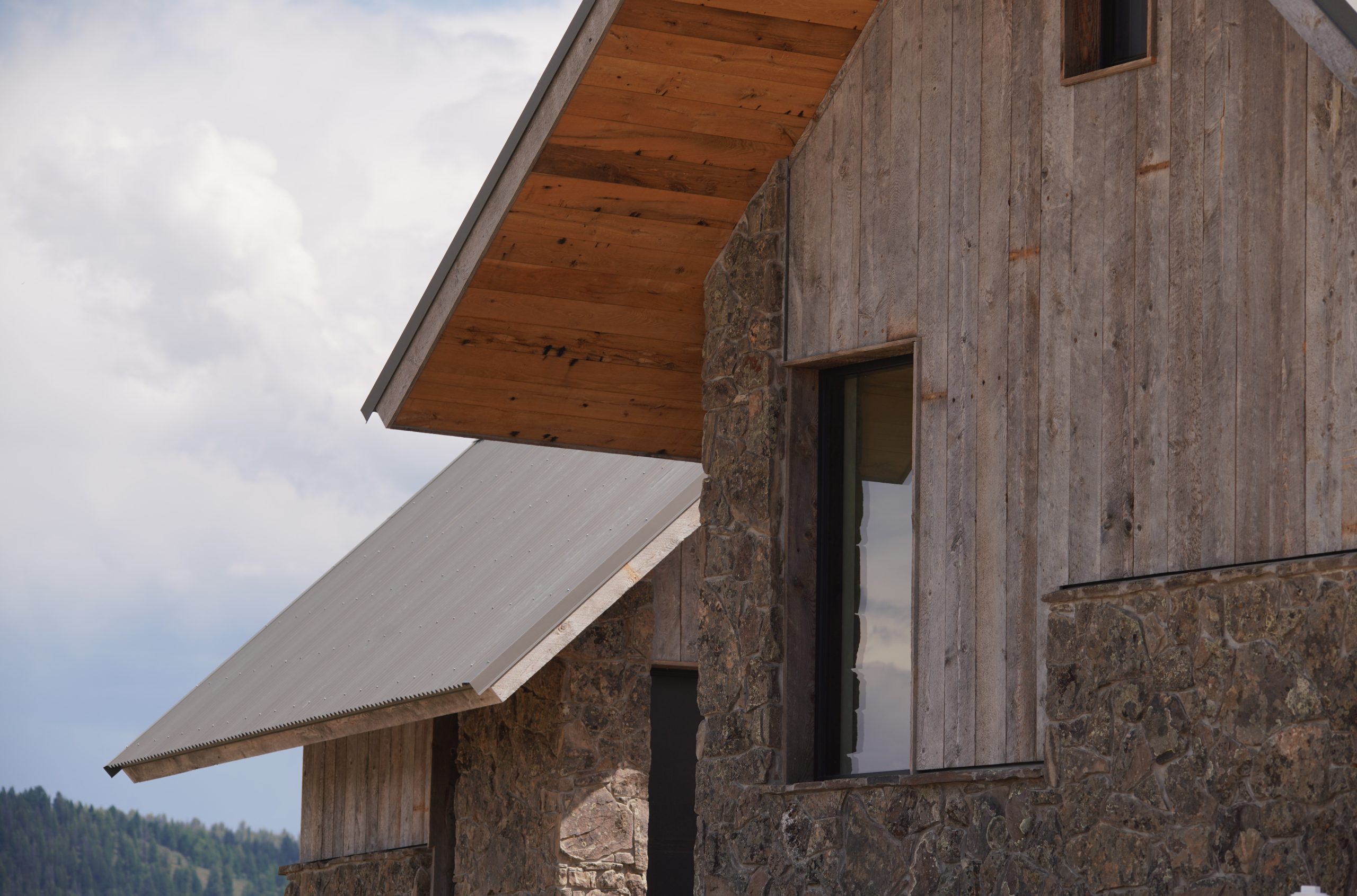
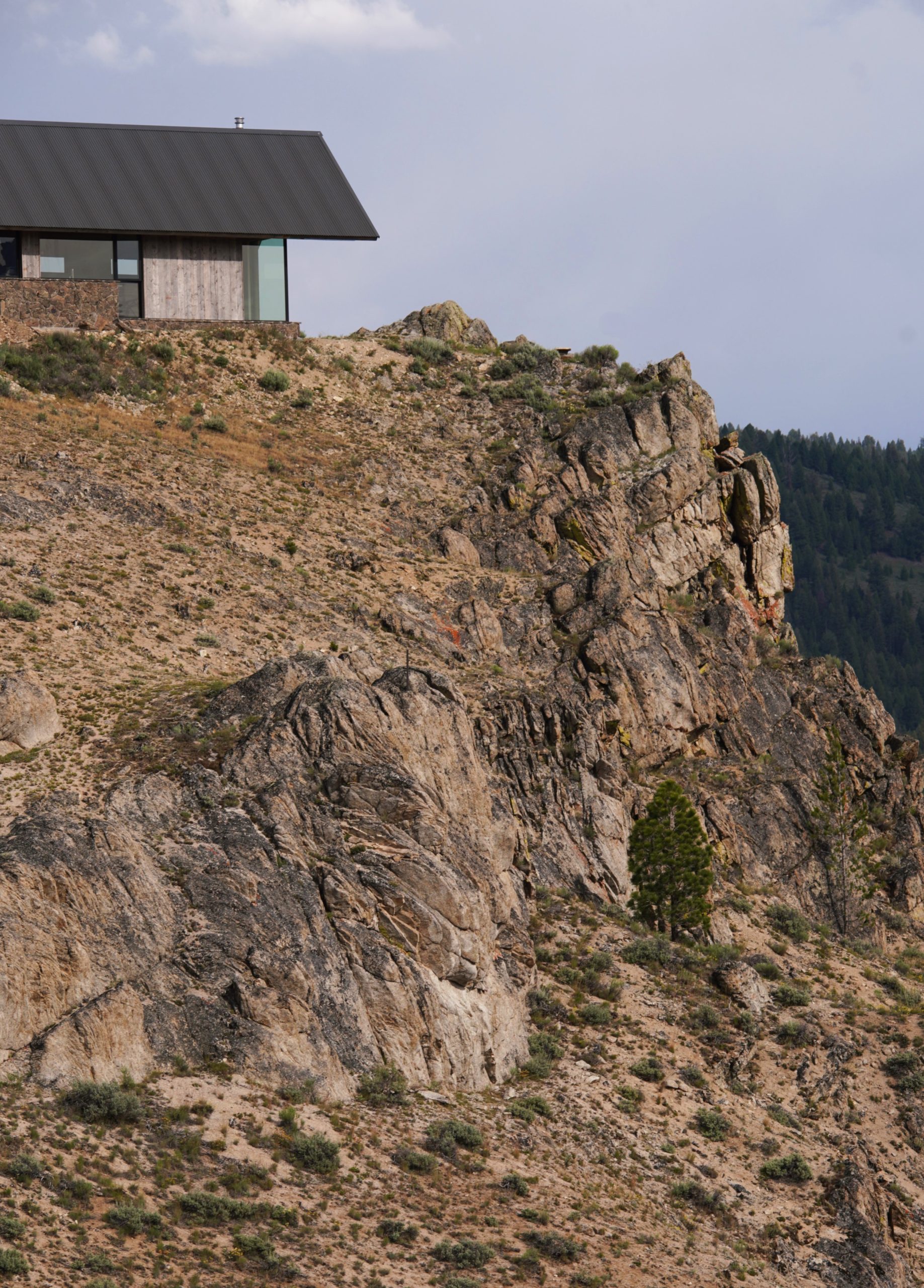
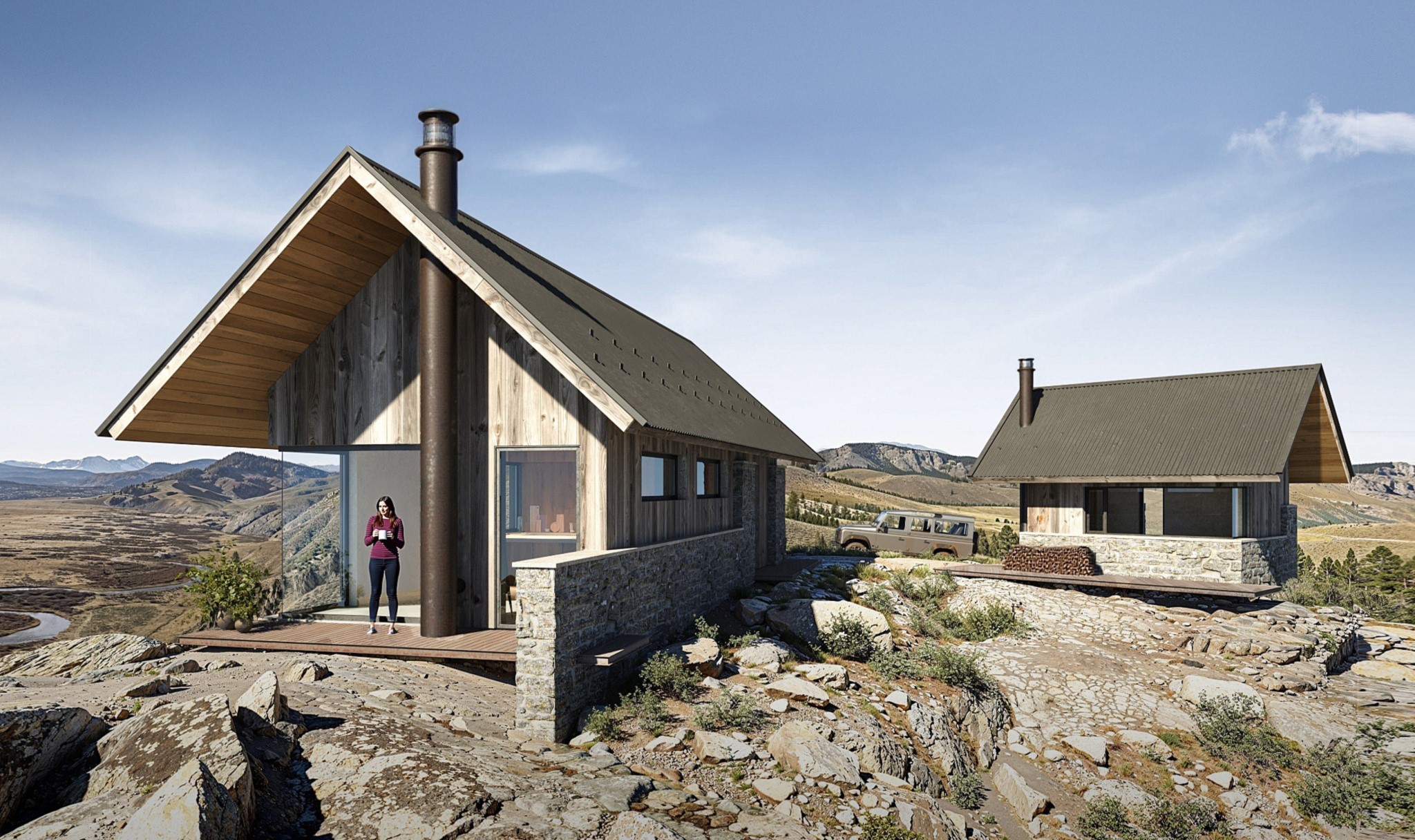
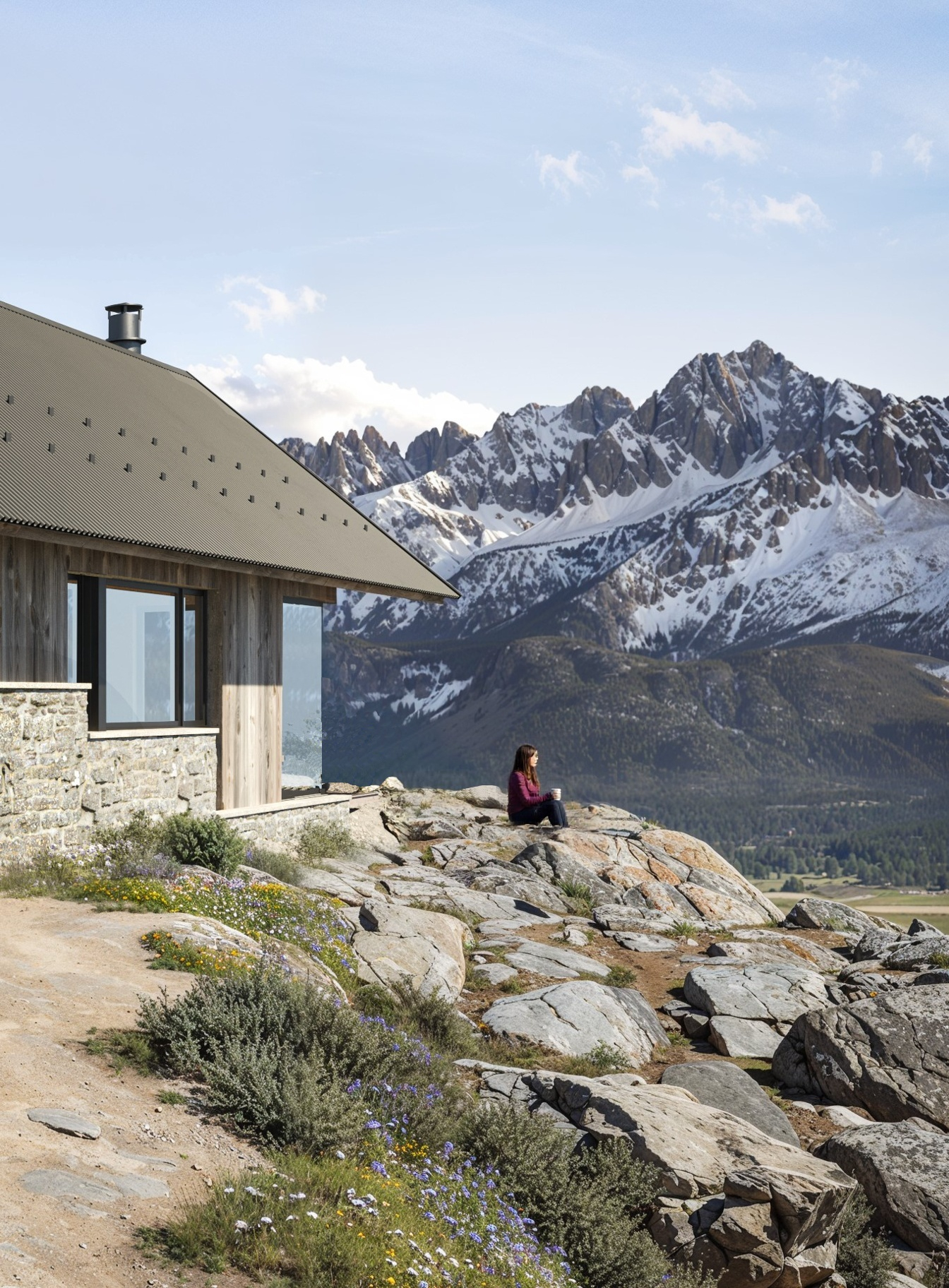
Project Design Concept : Two rustic mountain cabins, designed as a cluster, echo aesthetics commonly found in the more utilitarian historic Idaho : USFS lookouts and mining towns. From a distance, the steep metal roof, reclaimed wood, and stone resonate with both Stanley’s building vernacular and the actual cliffside. Up close, Stanley Ridge Lookout is defined by a new approach in composition, performance, and structure. The cabin design is unrepeatable, in that it strategically frames distinct landscape features from inside and out. Rather than providing one grand view, the vast landscape is curated through visual storytelling.
Project Values : Community Character , Solar Orientation , High-Performance Assembly .
Key Project Team :
- Shane Humphrey – Design & Construction
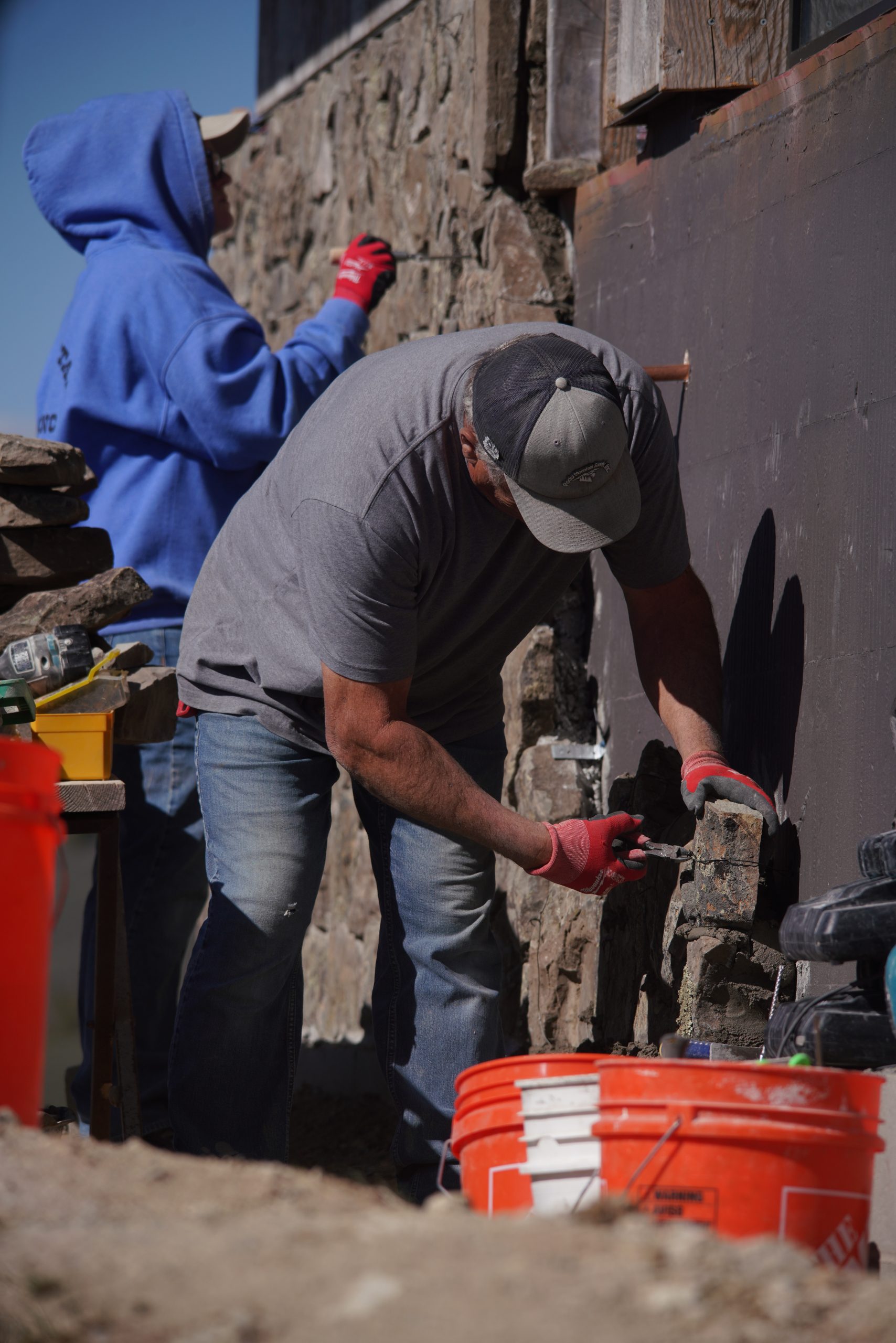
- George Nedelea – Sawtooth Contracting , Craftsman & Construction
- Kim Wilde , Stone Mason
- Shane King , Natural Plaster Artisan
- Dylan Pedersen , Metal Welding & Fabrication
- Trevor Brown , ICF Professional
HISTORY & CHALLENGE
The design of Stanley Ridge Lookout started by listening to common people and understanding Stanley’s community character. Stanley was far from new to me, but taking on this project required an entirely different understanding.
Long before Stanley, Idaho became a destination for visitors and year-round residents, the landscape was home to Indigenous peoples. The ancestors of today’s Shoshone-Bannock Tribes, along with other Native communities, lived and cared for this region. Their relationship with the land reflects the deep understanding of place, stewardship, and interconnectedness to the natural world. My prior background in Native American Studies informed this project, but it still proved to be a challenge.
The natives were displaced and the City of Stanley developed into what we see today, a gateway to the Sawtooth National Recreation. This shift in Stanley’s identity and values continued as subdivisions were approved and vacation homes started to emerge.
‘ We don’t want Sun Valley-type houses over here.’
Margaret Oveson , City of Stanley . (Source : Major Subdivision Approved )
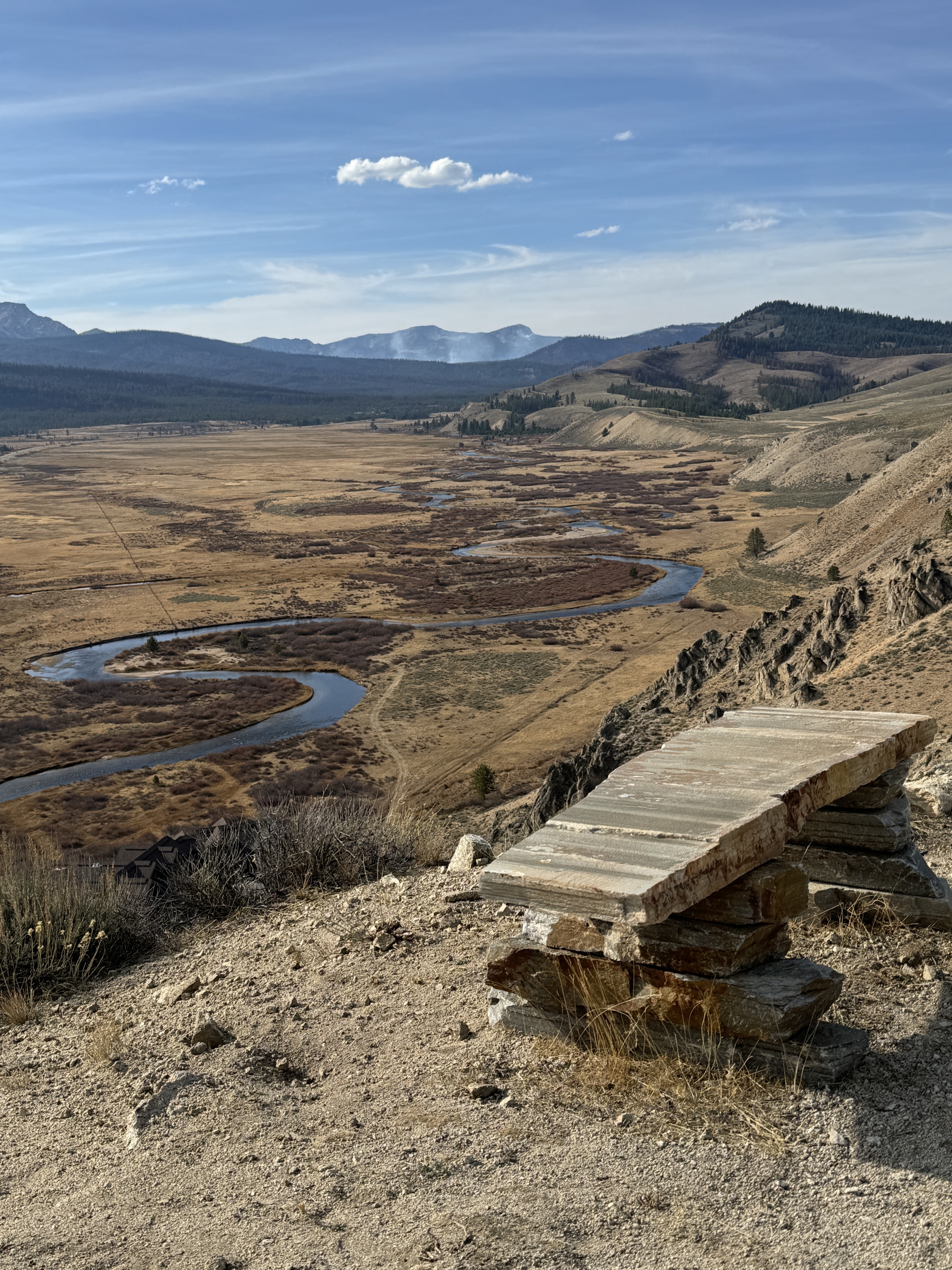
Stanley Ridge Lookout occupies the most visually exposed building site in Stanley, ID. Located on a steep cliffside, I always believed that the two cliff parcels should not have been plotted. When I was tasked with designing this cabin, it was a privilege and a stressful obligation to be responsible. What this even be possible? Could the most responsible design be justified here? This challenge led to self-assurance that I would best represent the common people of Stanley, ID. I cared more than anyone would realize. The Sawtooth Mountains where not just a backdrop, they where my sacred to my life spent outdoors. And I married my wife in the Stanley Chapel. Given the high sensitivity of the Stanley community, this project was approached with extensive research and design exploration that surpassed the scope of work. I wanted to ensure that the structure would be highly informed by its constraints.
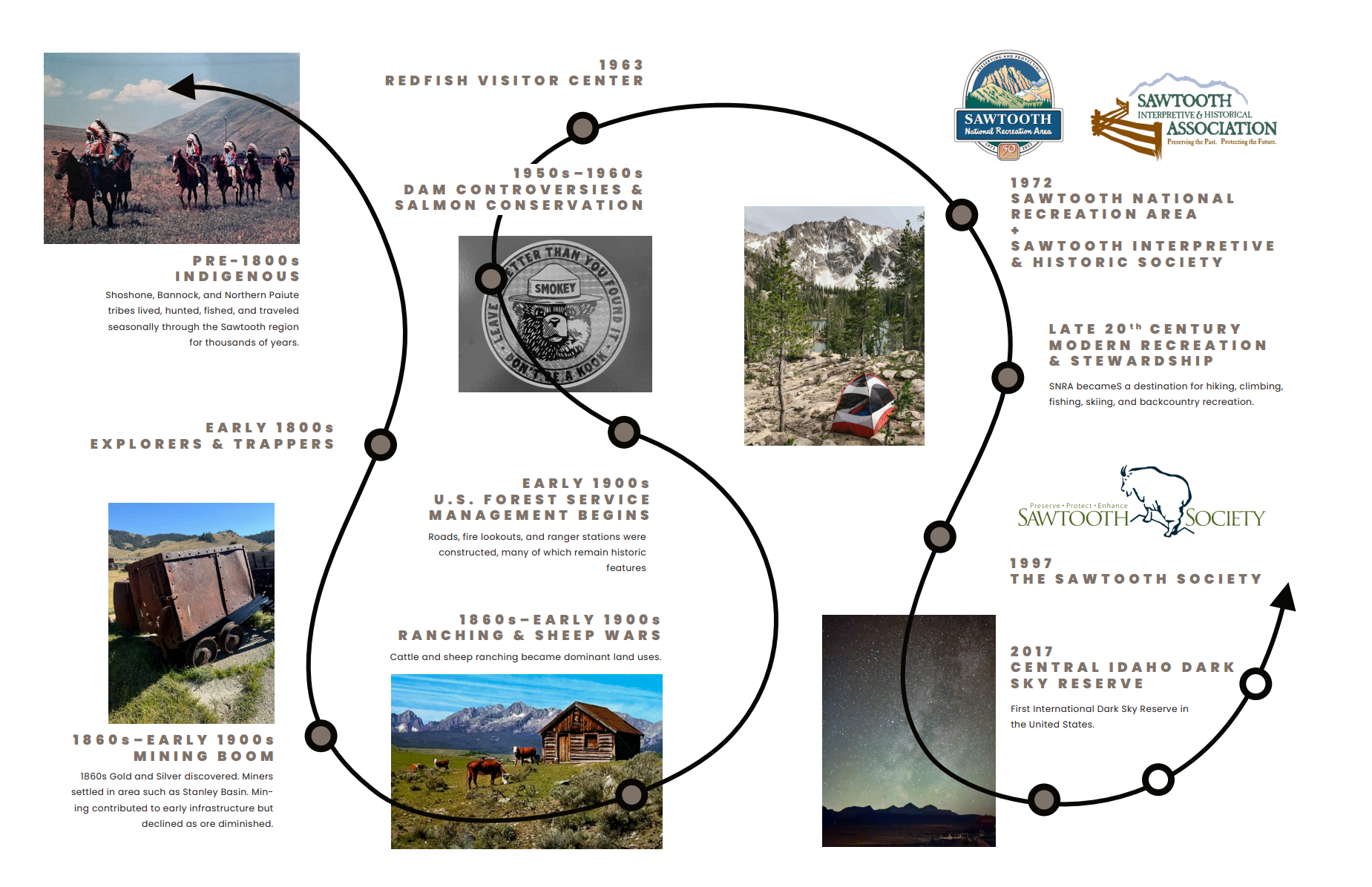
The process began with a study of the broader history of Stanley and Sawtooth National Recreation Area, alongside a more focused investigation of the site, including its subdivision, development history, and relationship to the character of Stanley.
Stanley Research Timeline :
PRECEDENT
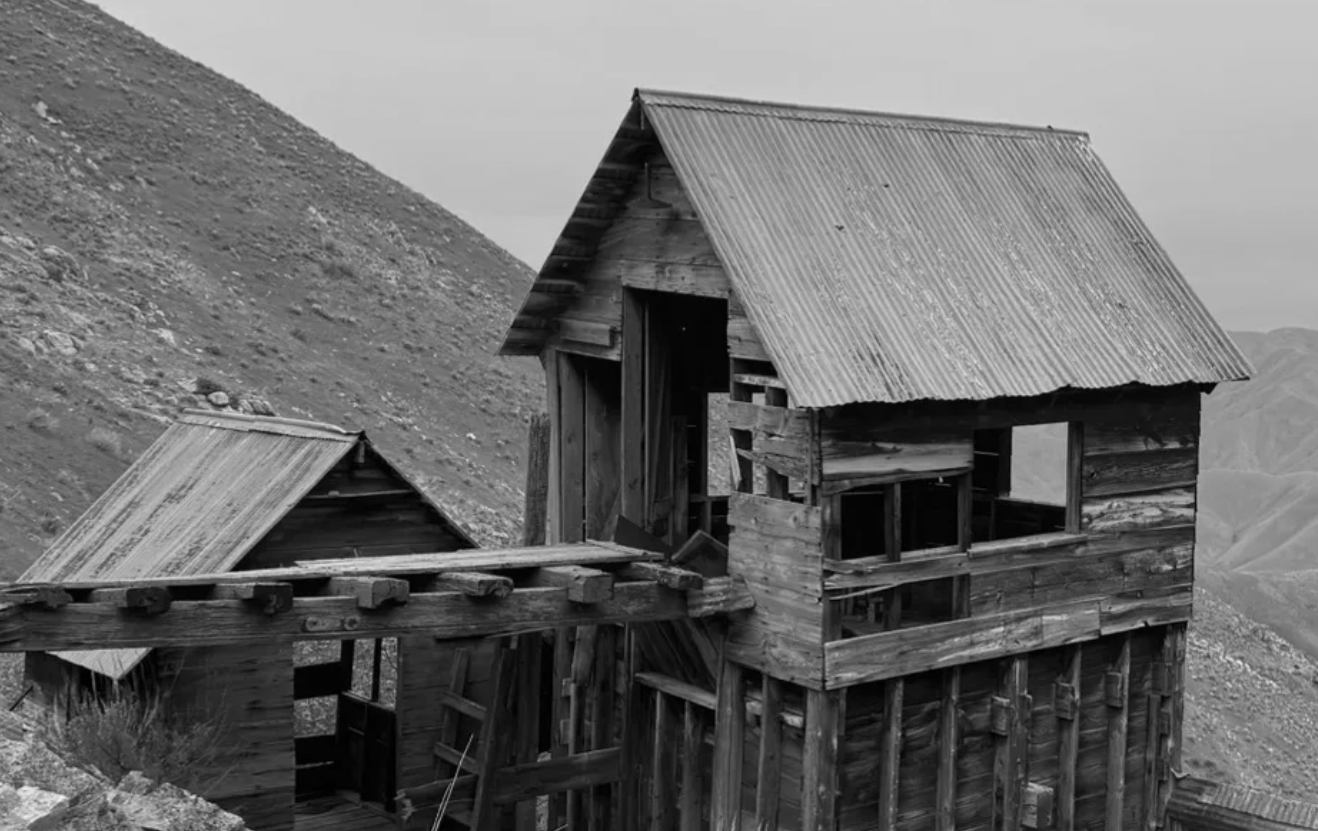
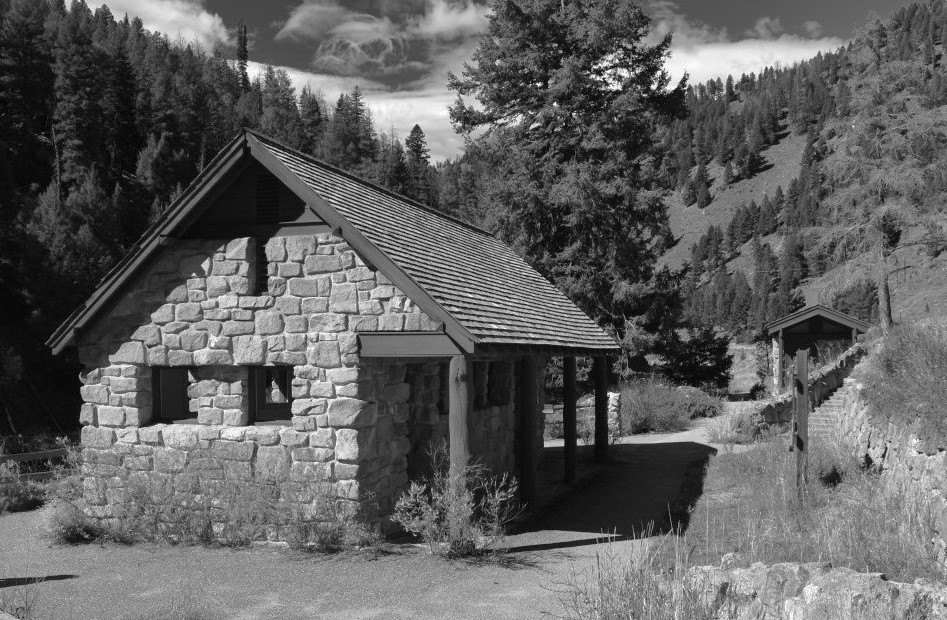
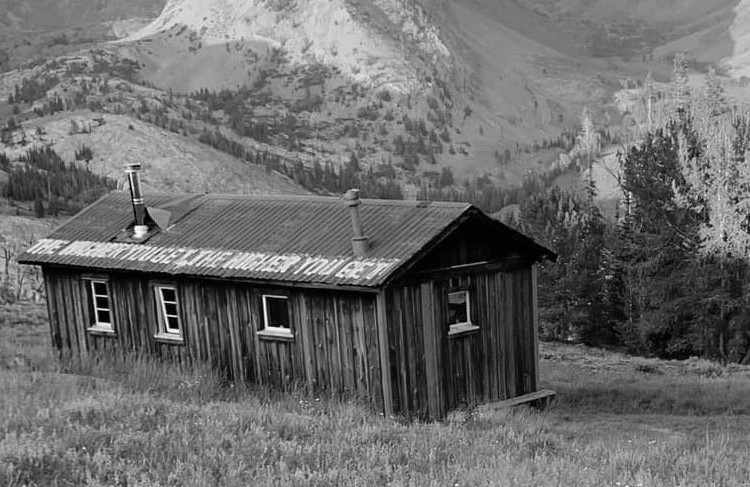
‘As new homes are built, locals are also concerned that some new residents are not committed to maintaining the character of the town… Building should be in line with historic buildings, and Stanley’s own city code includes a provision for buildings to be : Rustic and Western.’ ( Source : Idaho Statesman )
Description : We studied and designed an architectural ‘low slope roof’ option, an approach taken by prominent Ketchum-based Architects. In the end, we chose a different ‘dirt’ path – perhaps the opposite. For this specific site, a steep gable roof aligned best for the owner and community of Stanley. From a distance, Stanley Ridge Lookout evokes a cabin lookout and less modern roof line. The intent was to explore a design inspired by pre-dated modern day architecture philosophy and instead defined by Idaho’s historic roots.
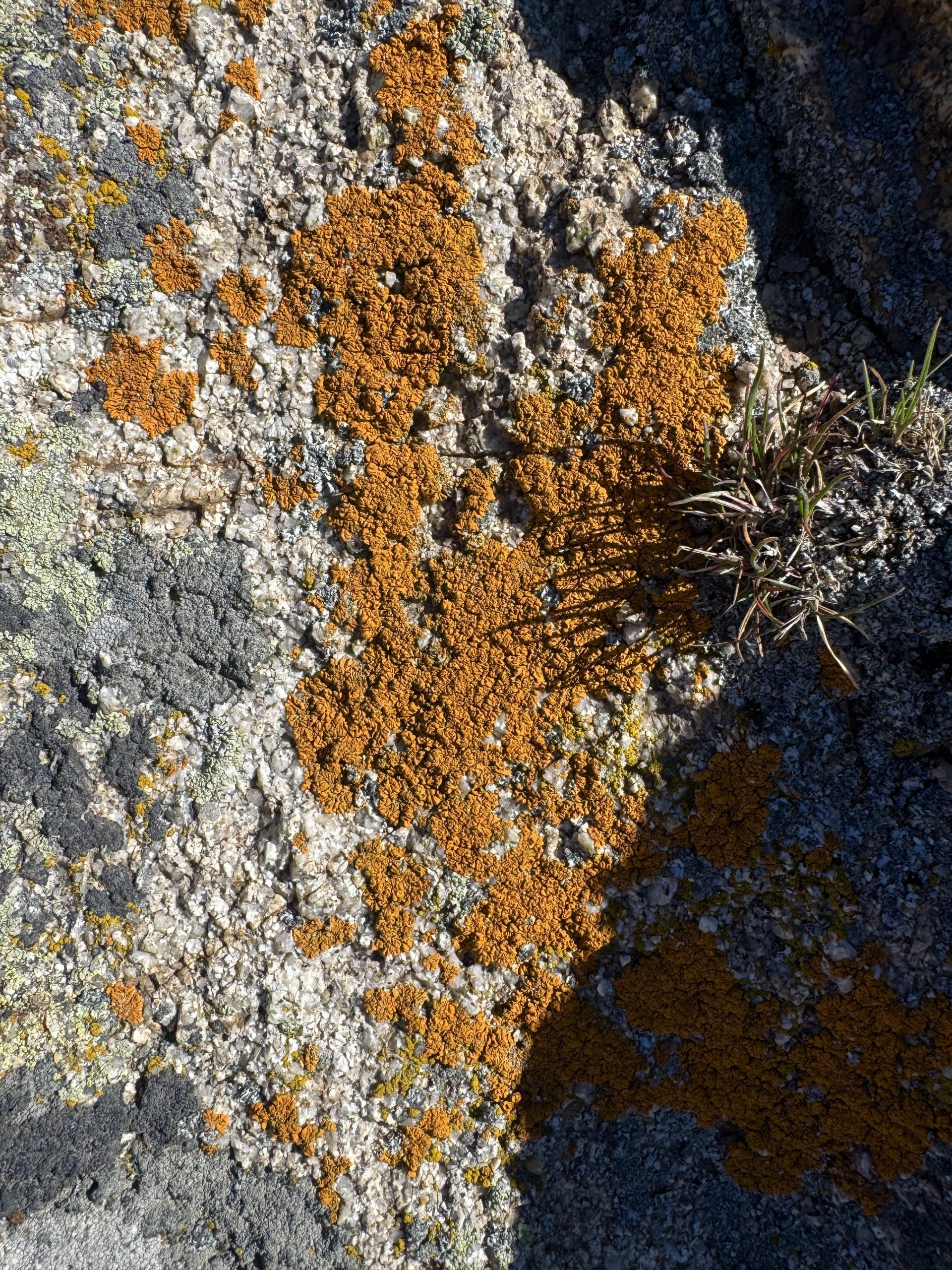
Idaho has a rich mining history of cabin structures protruding out of hillsides and mountains. Rather than study other significant architects, we studied what makes iconic Idaho structures unique. The project’s topography also defined the shape, character, orientation, and scale of the Sawtooth Ridge Retreat. During our site visit, we hiked and scrambled along the cliffside. The sense of exposure inspired the small cabin lookout, but also the conceptual experience of a ‘lookout cabin’. The orientation of each cabin was critical to align with certain Sawtooth views, but minimize visual from lower Stanley. The main and larger cabin was purposely oriented to have it’s gable end face town. This lead to less structure being shown. The lookout is more visually prominent, despite only being a 150 sqft cabin.
The project ultimately seeks historic continuity in form, scale, and material. Not mimic historic structures entirely, but to contribute new design diaglue to cold-climate mountain community design. Every building, gravel road, and alley of lower Stanley, ID was walked and studied to understand and implement a rustic ethos for the Stanley Ridge Lookout.
Image Credit . Galczynski, University of Idaho Library, Estevan Chapa.
MASSING MODEL
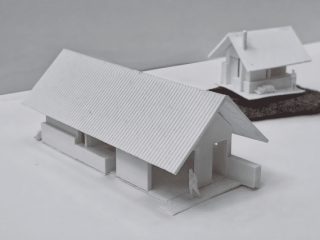
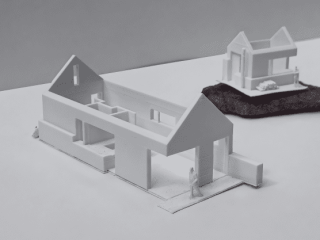
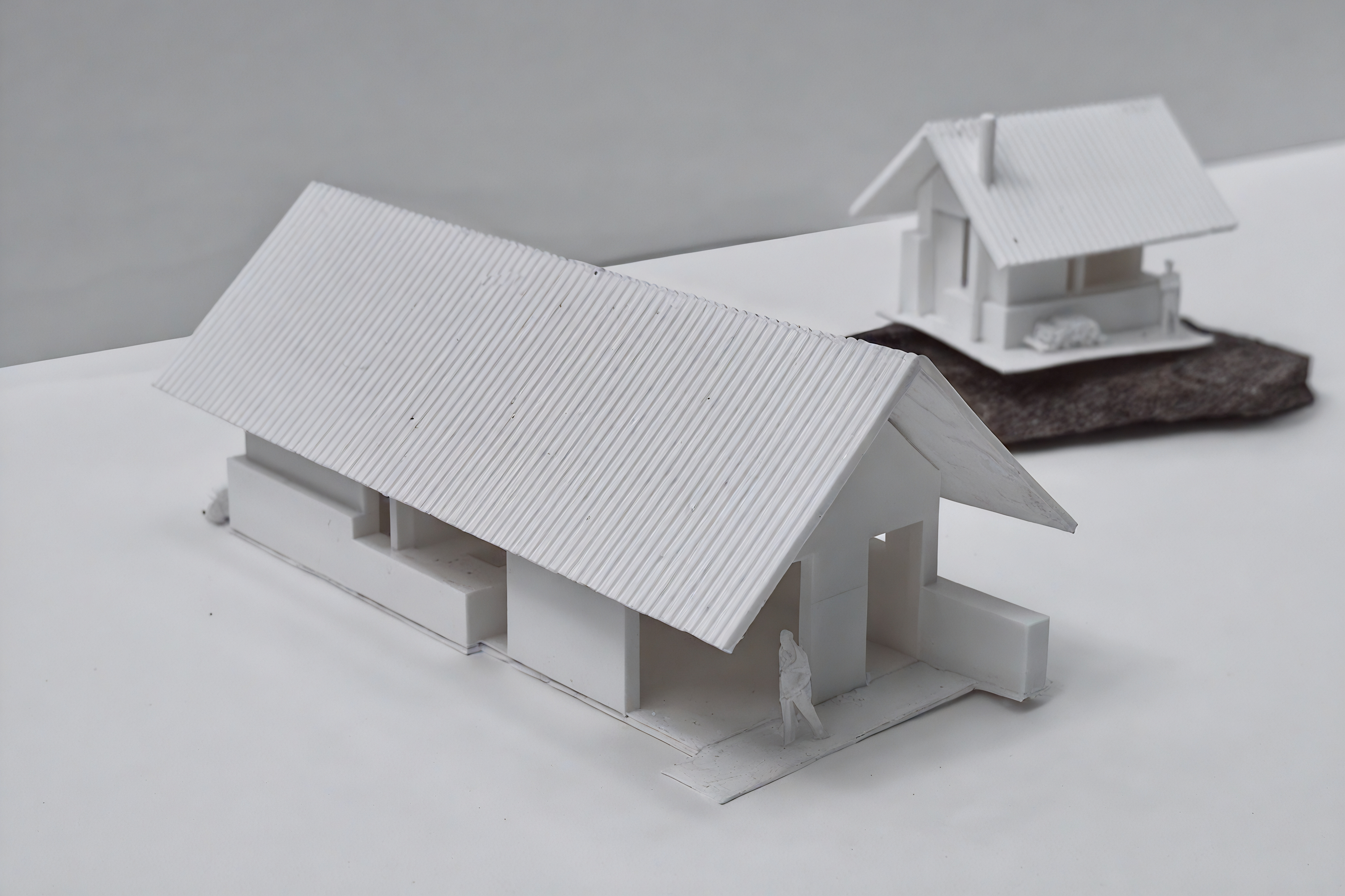
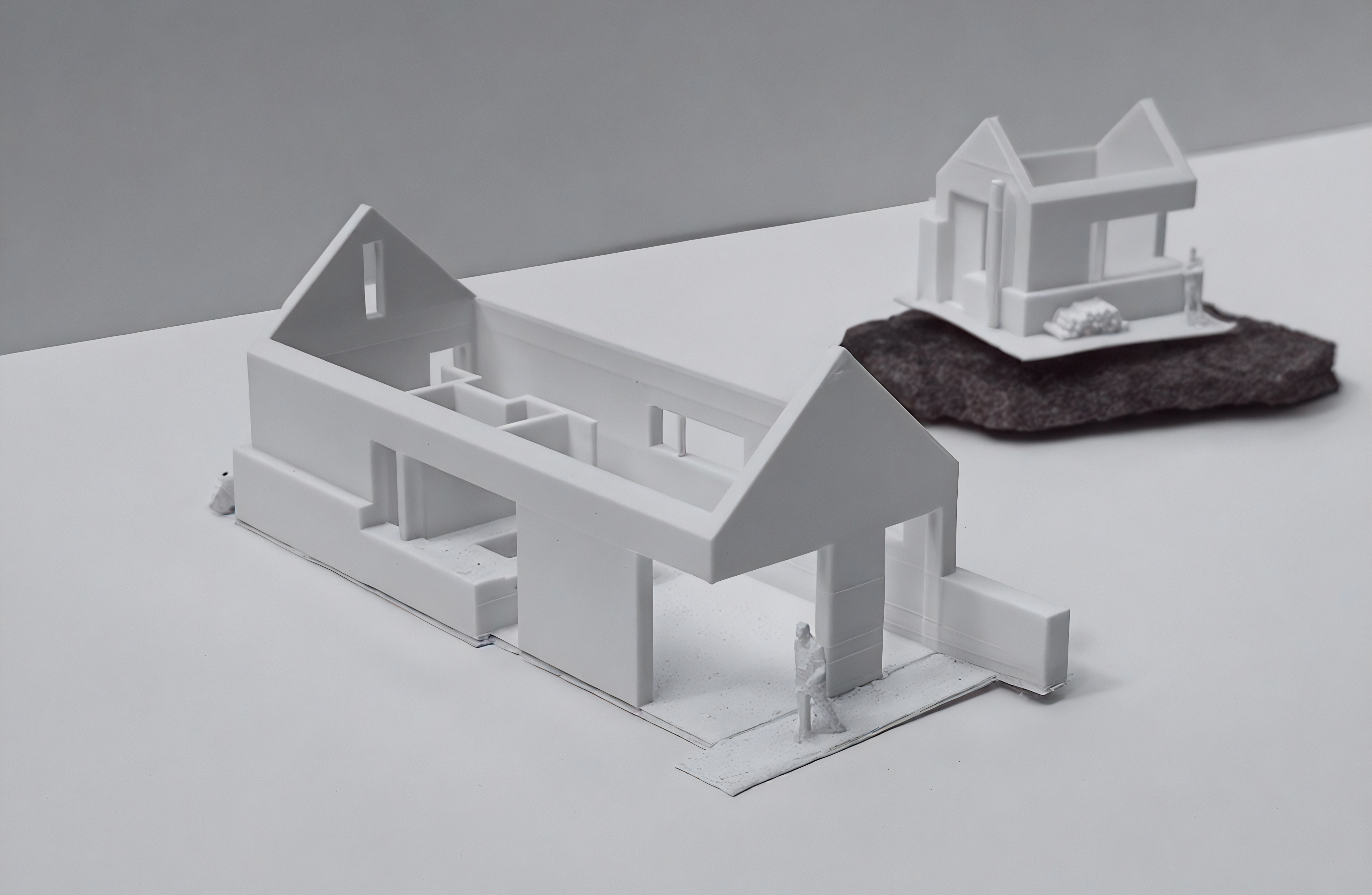
Two structures, one cohesive vision. The cabin is spilt to take advantage of two key site overlook conditions and add interest to project identity. There’s a visual design dialogue between the two cabins, connected through site.
CONCEPTUAL RENDERING
SAWTOOTH CURATION
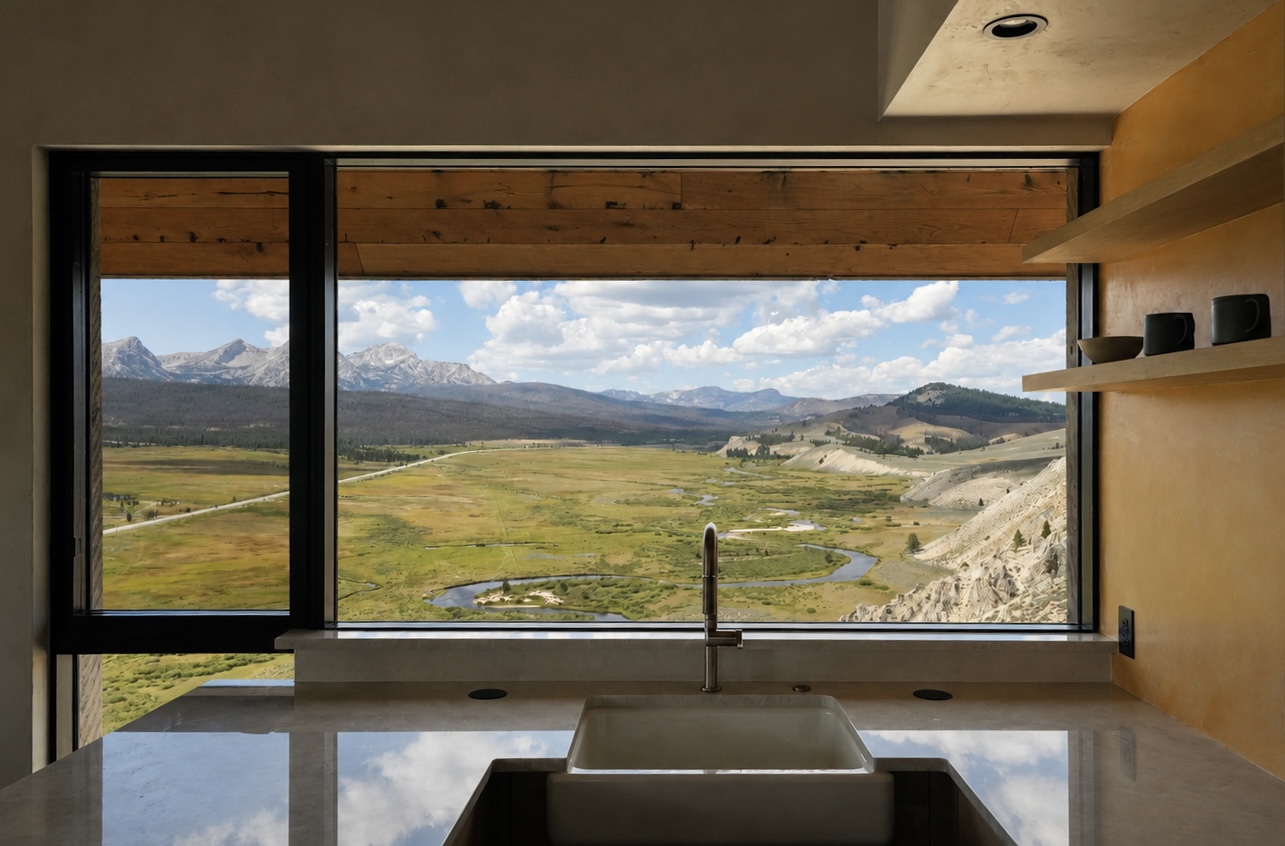
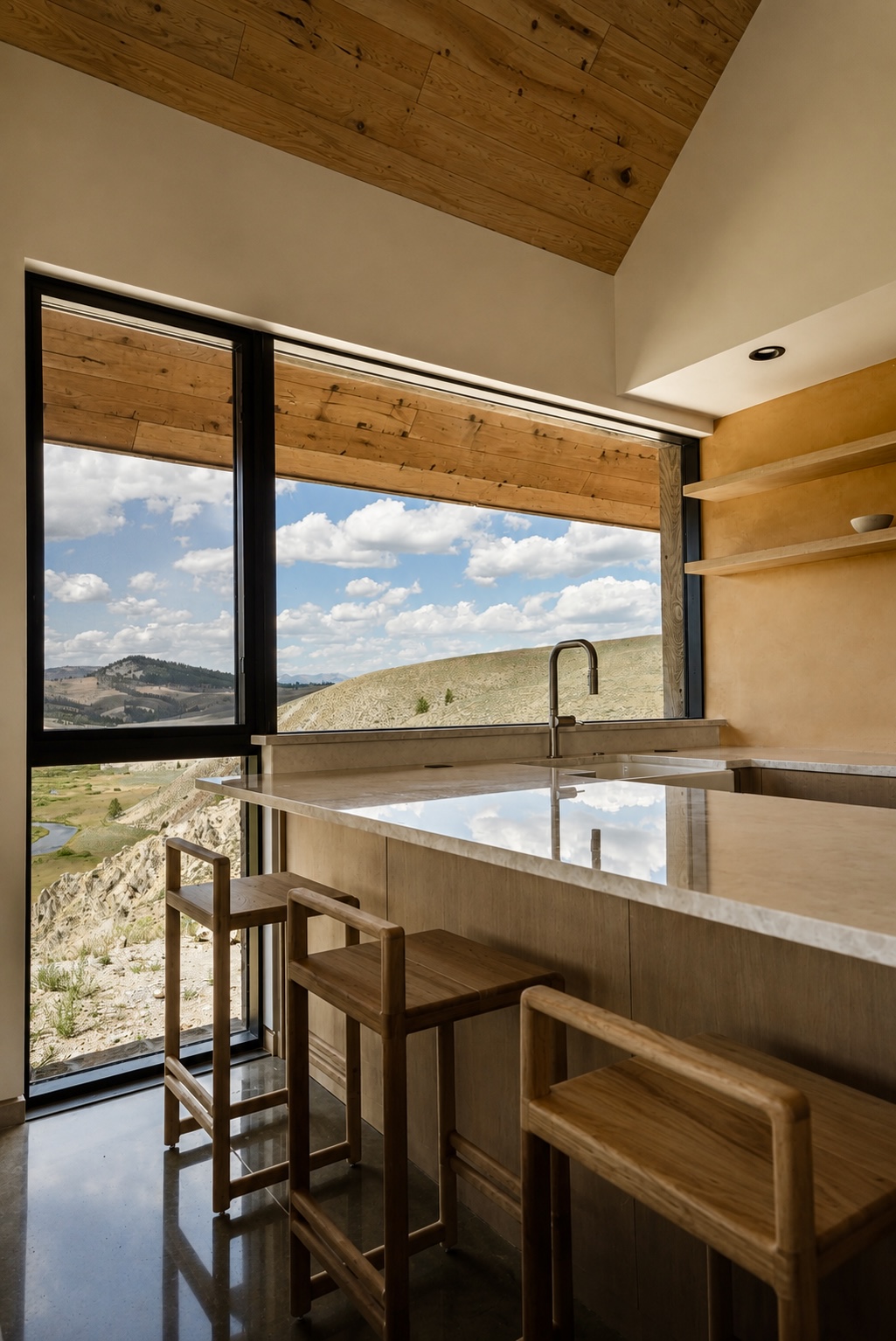
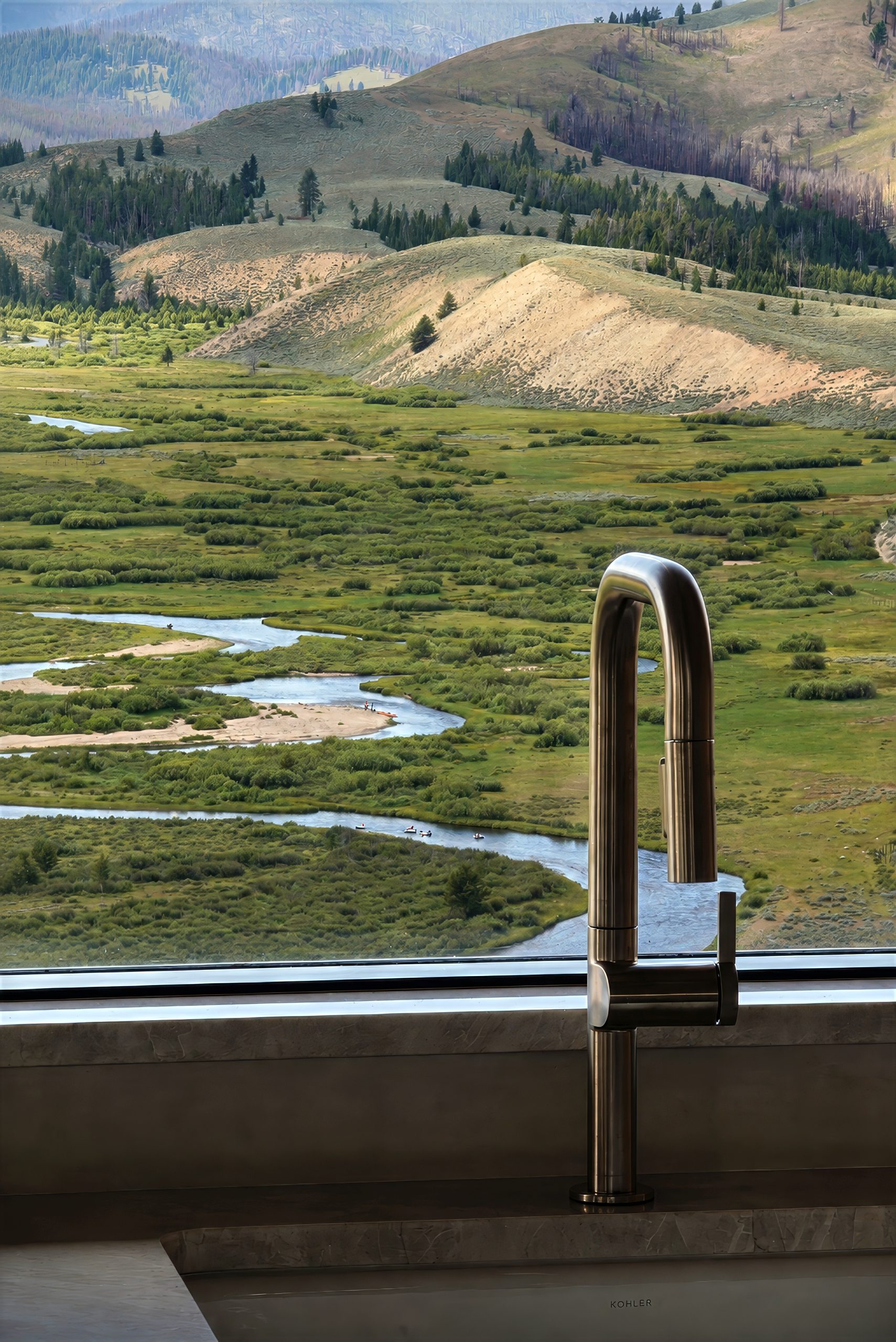
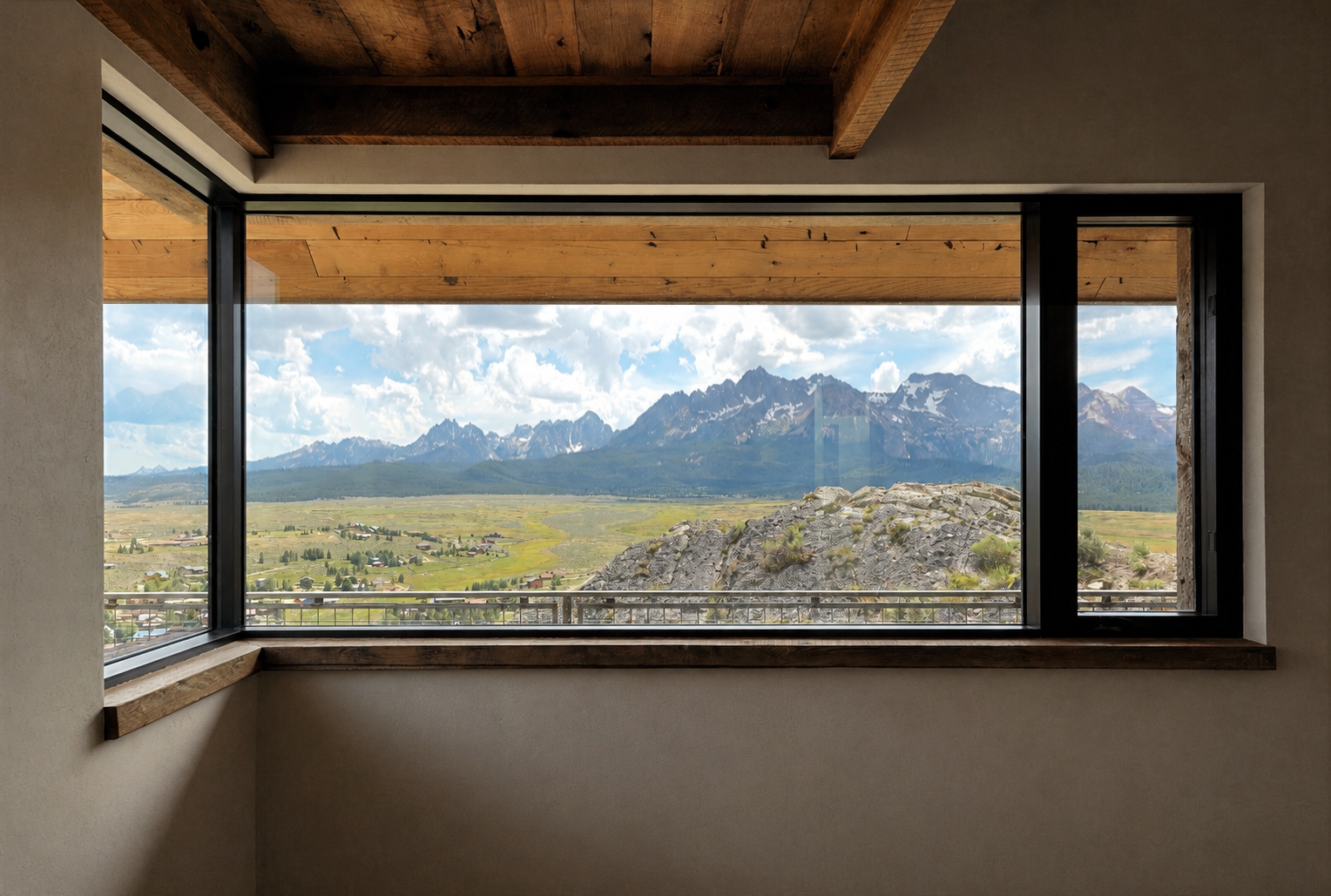
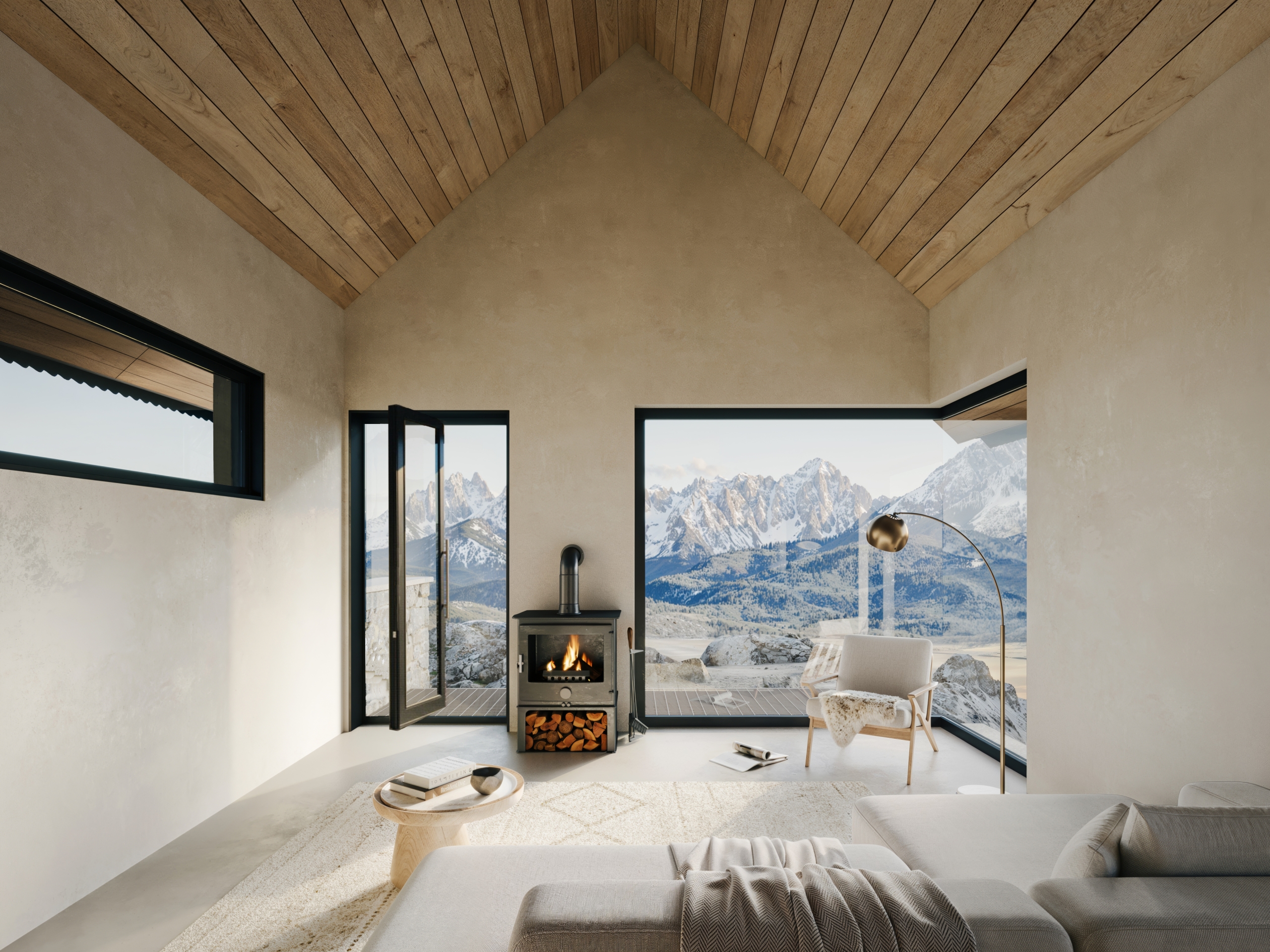
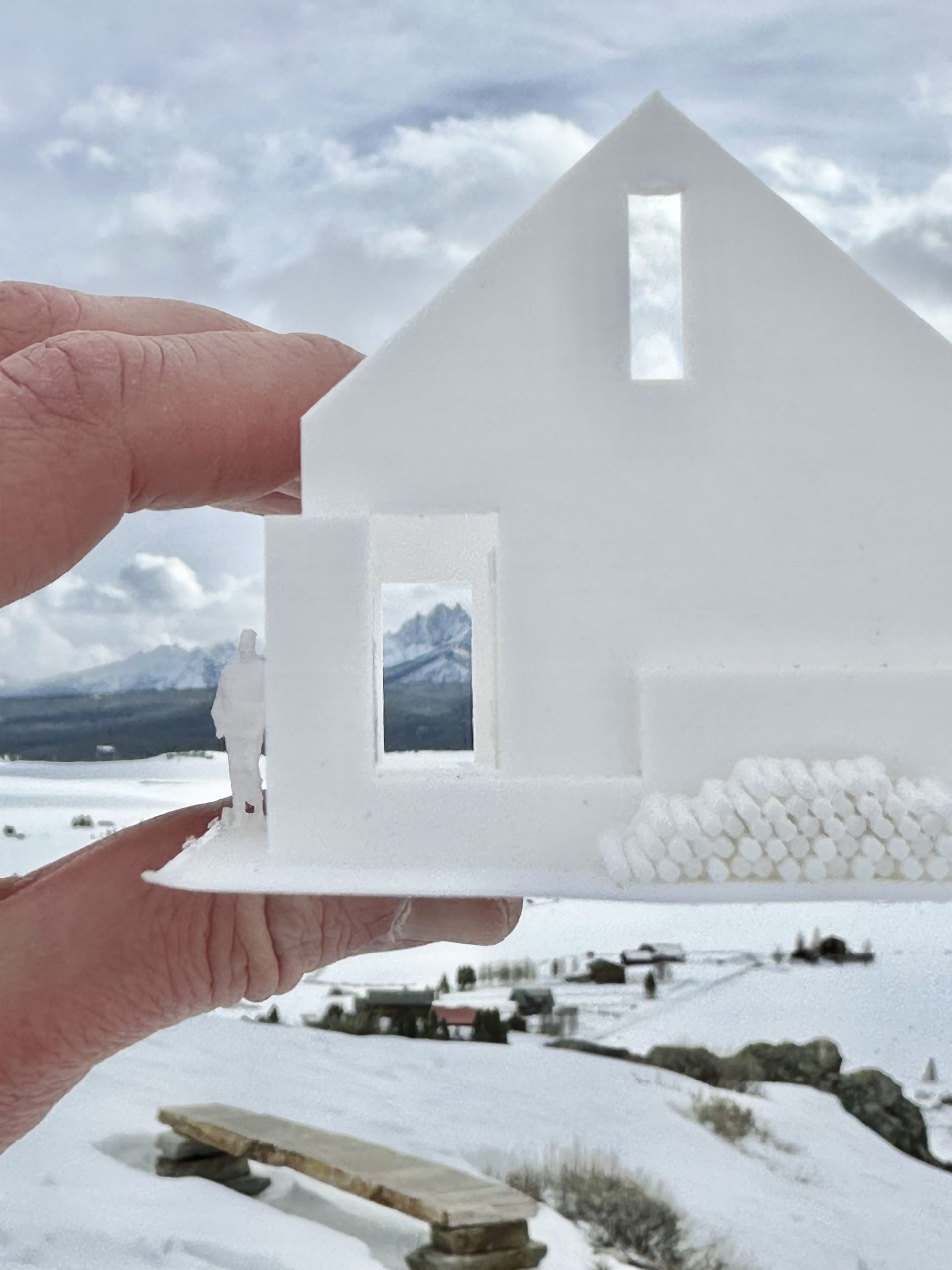
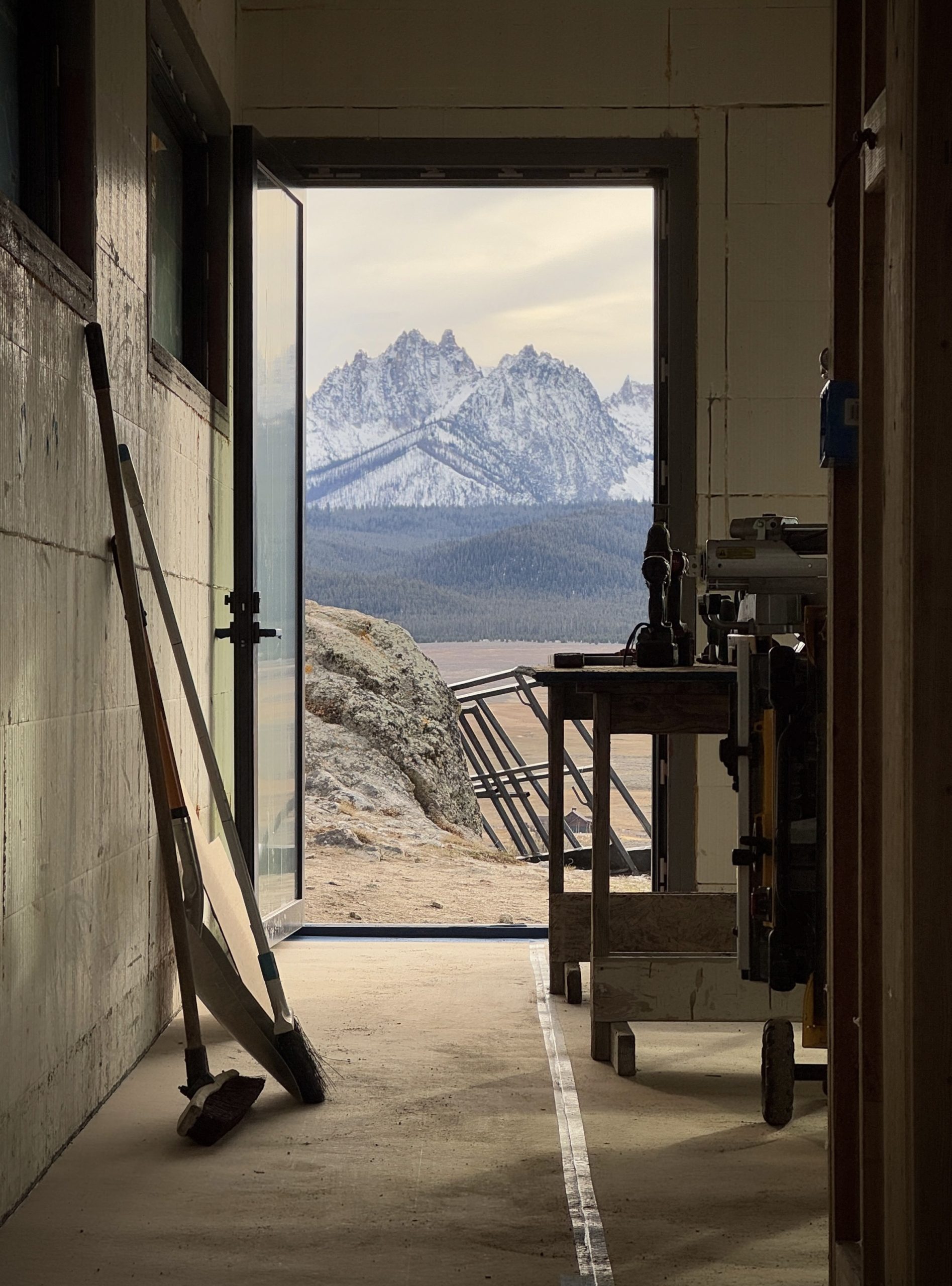
The Stanley Ridge Lookout entry sequence was intentionally designed to frame Mount Heyburn within the Sawtooth Mountain Range before one enters the cabin. Upon moving inside, the same view is further experienced within the hallway, creating a sense of storytelling. As one walks into the open space Living and Kitchen space, the entire Sawtooth Mountain Range is revealed, culminating in a panoramic that extends through a prominent corner window. The corner window is not simply aesthetic, but represents a conceptual and theoretical release ‘of the box’ or a contained space. It is freedom from constraint.
HIGH PERFORMANCE ASSEMBLY
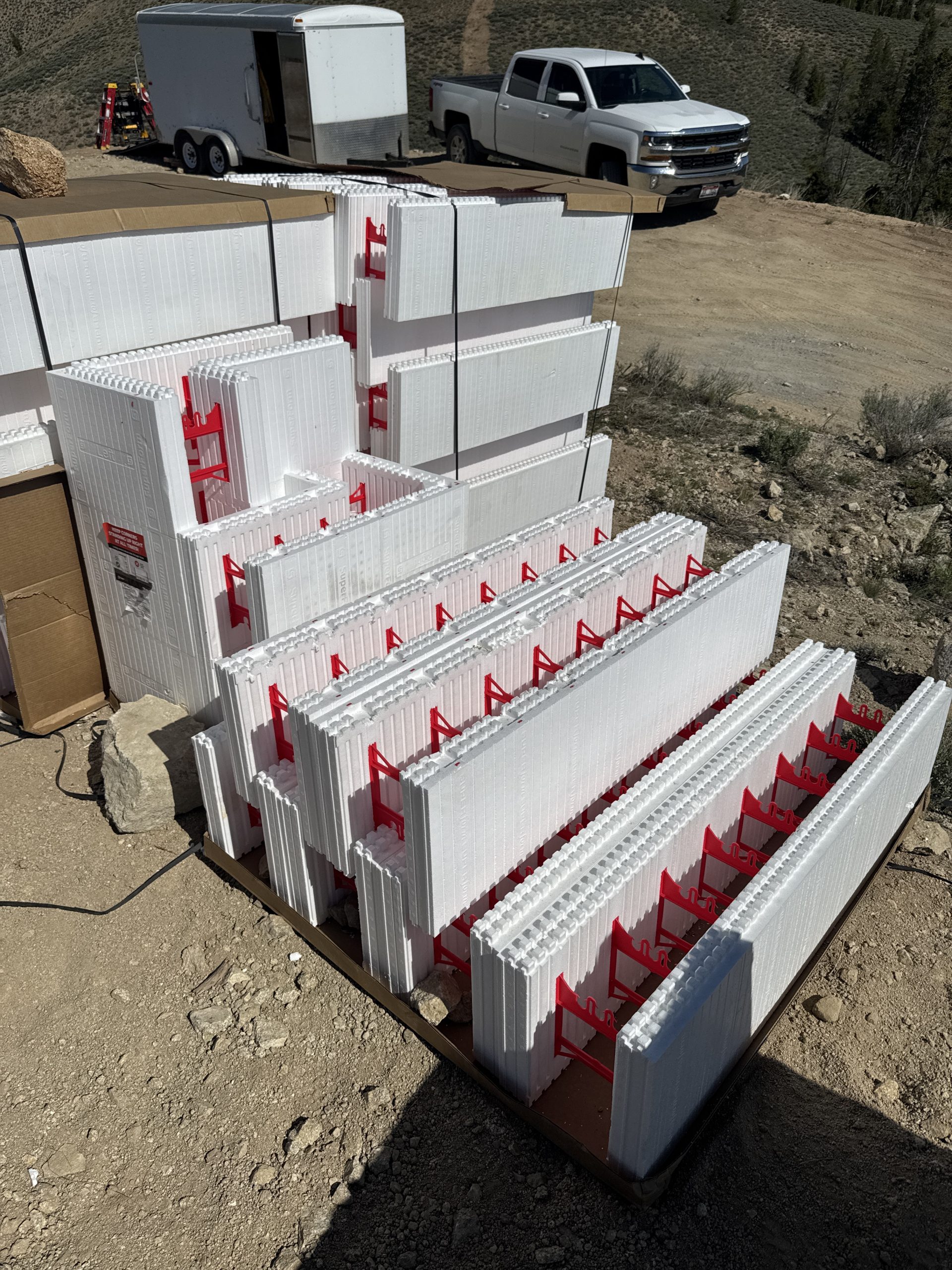
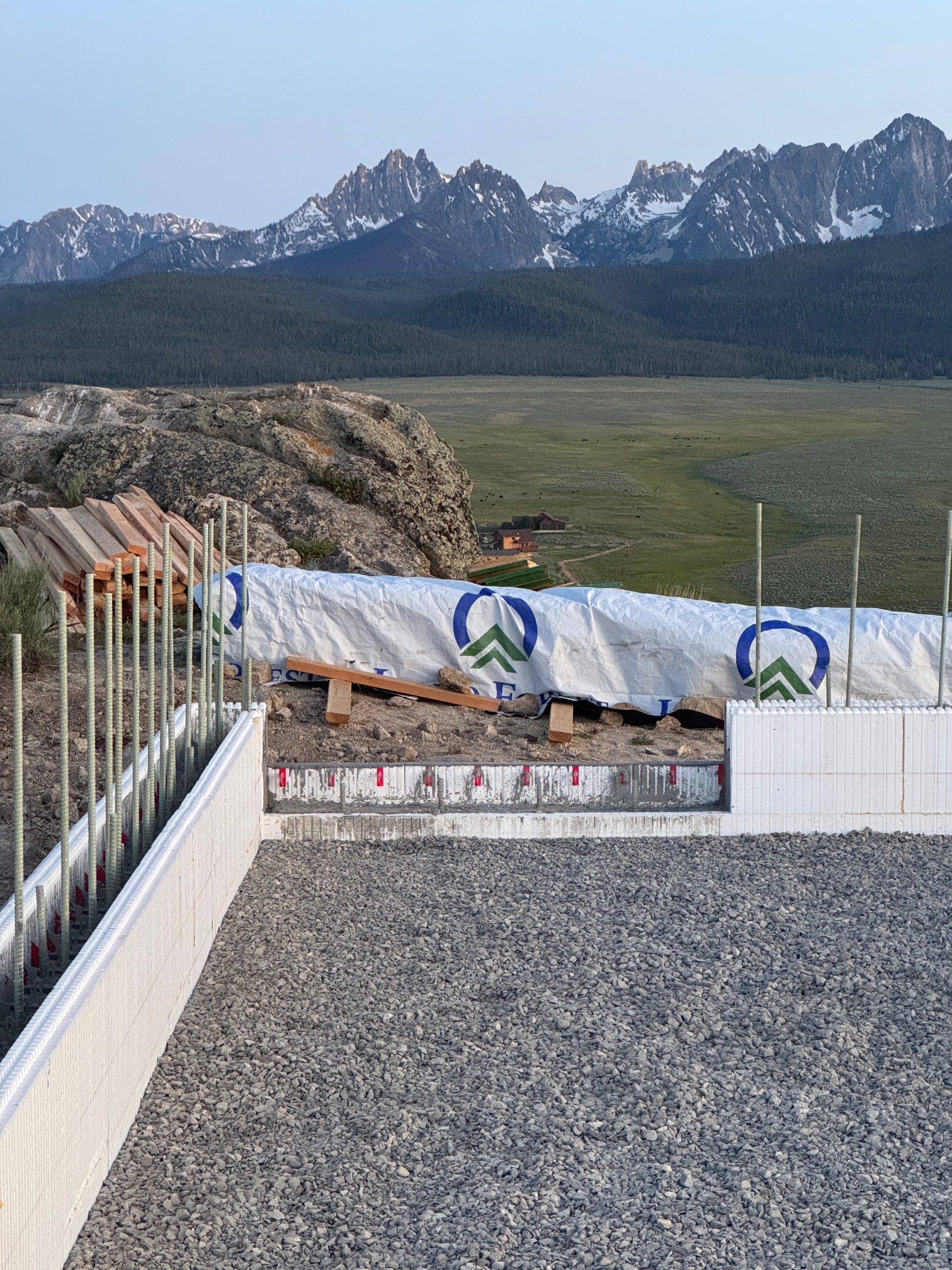
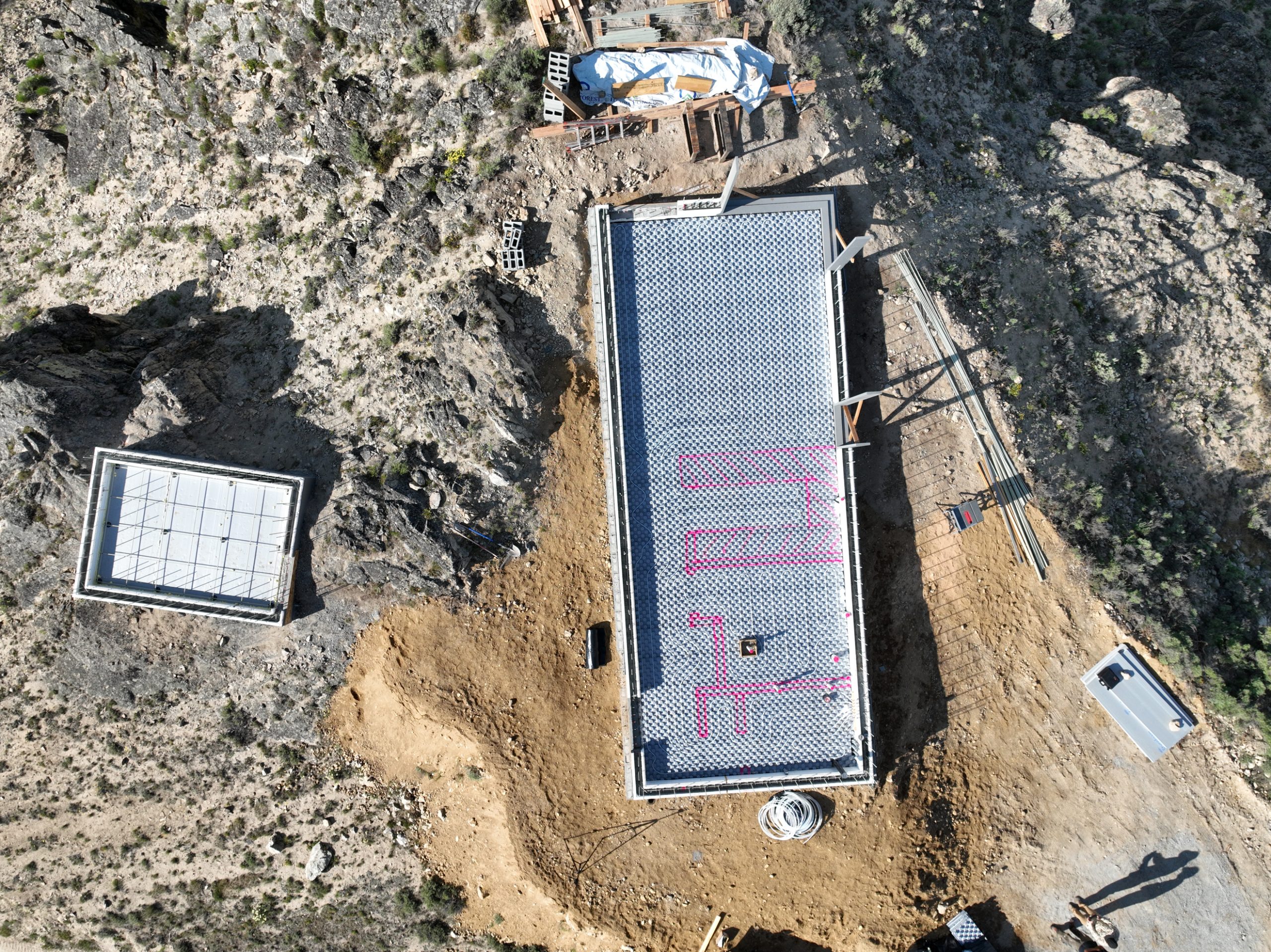
Stanley Ridge Lookout was designed and constructed with ICF ( insulated concrete form) assembly and fiberglass rebar. This building solution combines higher structural strength with continuous exterior and interior foam insulation. Minimizing thermal bridging and significantly improves energy efficiency (R-35 to 40 Walls), nearly doubling standard 2X framing insulation values. This results in stable indoor temperatures and reduces mechanical heating / cooling needs. The concrete wall core provides a 3-4 hour fire rating, earthquake stability, moisture resistance, and a superior lifespan to match Stanley, Idaho’s most rugged years ahead. Stanley Ridge Lookout raises performance standards for mountain design architecture and construction.

FINAL ARRIVAL