
STEWARDSHIP :
Not about the cost savings. Not about trying to save the planet with a single home. It’s really about caring. If you cared enough to read this, perhaps you care enough to design a natural home. Otherwise, standard construction is a normal approach. It’s in my character to research and learn, so I can positively impact both the environment and our own health.
I frequently evaluate material options and advocate for healthier alternatives. This approach mirrors grocery shopping, where consumers compare labels, assess sourcing, and review nutritional information. By comparing two options and the costs associated with them, you might end up choosing the more responsible option.
MATERIAL KNOWLEDGE :
- The Company has an Environmental Policy or Statement that clearly outlines how the business intends to manage its environmental impact. It expresses the company’s commitment to environmental protection, compliance with laws, and continuous improvement in sustainability practices.
- Avoid Materials that contain any ‘Red List’ Chemicals. More Info.
- Choose USA-based Materials and Production. Moving raw materials and finished goods adds to carbon footprint.
- Choose a Cradle to Cradle – Biodegradable or 100% Recycled product.
- The manufacturing factory uses environmentally safe chemicals.
- The Company or Product is supported by LEED Program, created by USGBC. More Info.
- The Company or Product is supported by the Living Building Challenge, created by Living Building Institute. More Info.
PROGRESSIVE RECOMMENDATIONS :
Low Commitment :
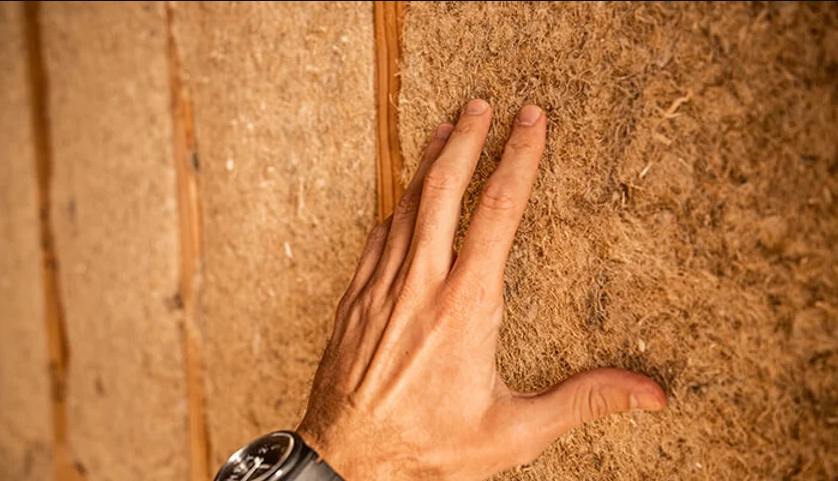
Hempwool ( Typical Framing Insulation ) More Info. Idaho-Based Manufacturing*
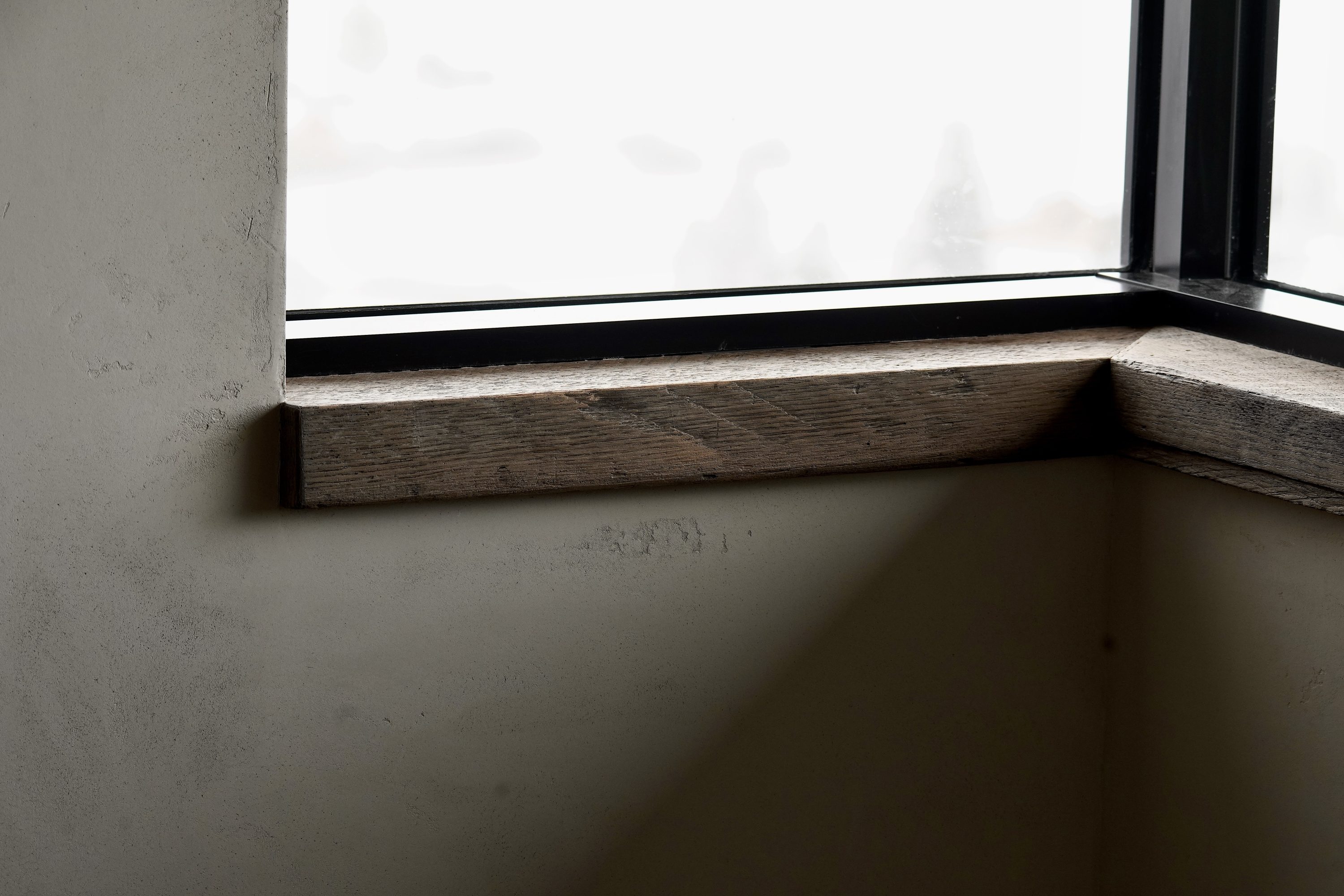
Lime Plaster Interior Wall Finish More Info.
Higher Commitment :
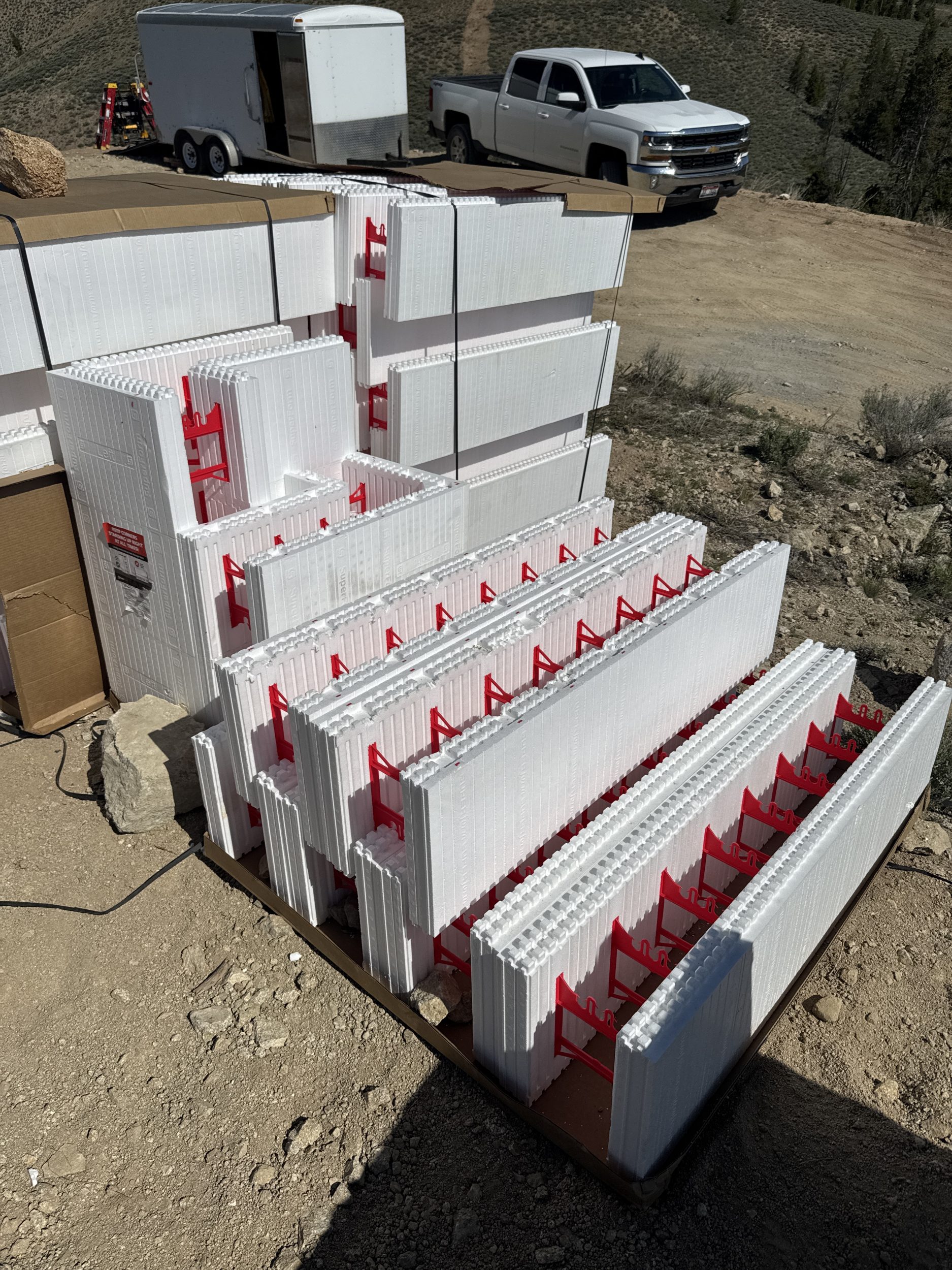
ICF Block ( Exterior Wall Assembly ) More Info.
A highly insulated and durable wall system. ICF walls provide excellent energy efficiency by reducing thermal bridging and air infiltration, resulting in lower heating and cooling costs. The reinforced concrete core offers superior strength, fire resistance, sound attenuation, and resilience against high winds and severe weather. Additionally, the continuous insulation helps maintain consistent indoor temperatures and improves overall occupant comfort.
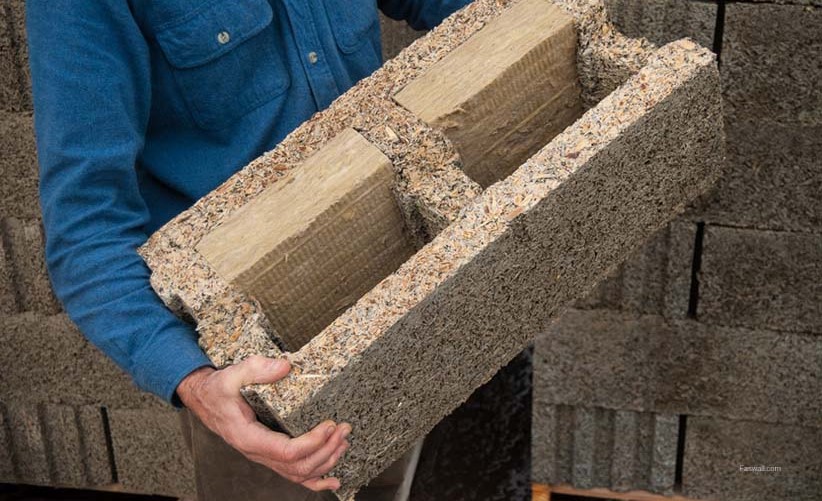
Faswall ICF ( Exterior Wall Assembly ) More Info.
ICF made from a mineralized wood-chip and cement material rather than traditional foam-only forms. The system provides excellent thermal performance, thermal mass, and sound insulation while remaining vapor permeable, allowing walls to “breathe” and helping manage moisture. Faswall is valued for its durability, fire resistance, resistance to mold and pests, and use of recycled and natural materials, making it an attractive option for sustainable and healthy building design. The material also provides a strong substrate for finishes such as stucco, plaster, and siding without many of the attachment challenges associated with conventional foam ICF systems.
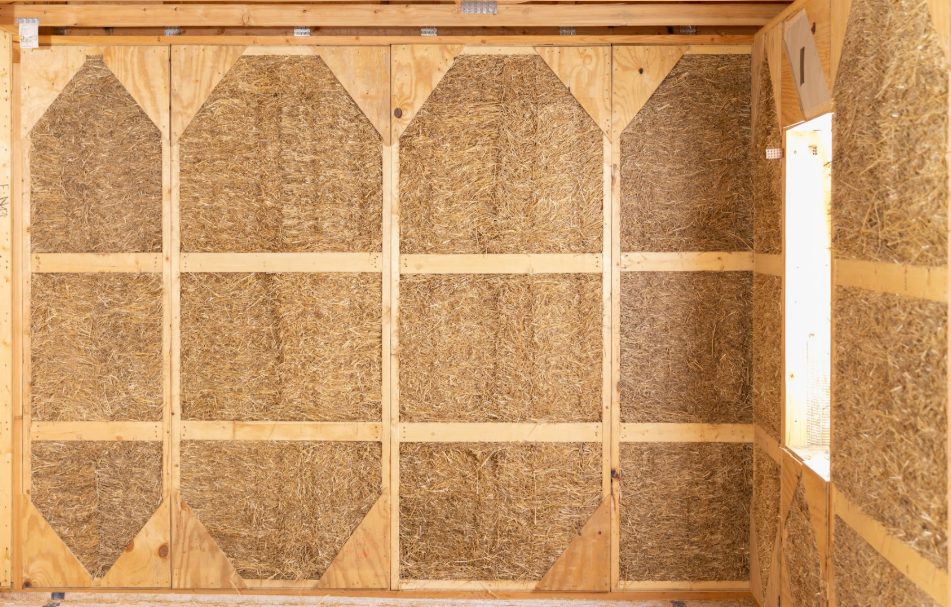
Strawbale ( Exterior Wall Assembly ) More Info. Idaho-based*
Suppliers : New Frame Works
This system provides exceptional thermal insulation (typically ranging from R-30 to R-50+ depending on panel thickness), excellent sound attenuation, and very low embodied carbon because straw is a rapidly renewable agricultural byproduct that sequesters carbon during growth. Panelized systems can significantly reduce construction time and improve quality control compared to site-built strawbale walls.